The Florida hurricane season doesn’t just threaten roofs and windows. It can put your entire HVAC system at risk. Between flooding, power outages, salt air corrosion, and sudden voltage spikes, your AC system needs just as much preparation as the rest of your home.
This guide is designed as a year-round resource hub for Brevard County homeowners. Whether you’re in Palm Bay, Viera, Cocoa Beach, Titusville, or Indialantic, use this page as your go-to checklist before, during, and after a storm.
If you need help at any stage, Coastal Climate Experts are ready to step in with fast, honest, residential AC repair and support.
Need immediate HVAC help? Call Coastal Climate Experts today for fast service.
Protect your system before the next storm. Schedule a pre-season AC inspection.
Before the Storm: Prepare Your HVAC System Early
Preparation is the difference between a quick reset after a storm and a costly system replacement.
Start with these essential steps:
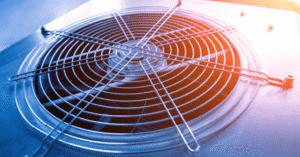
Your outdoor condenser is the most exposed part of your HVAC system. Clear away leaves, branches, patio furniture, and anything that could become airborne in high winds. If possible, install a manufacturer-approved hurricane strap or protective cover to reduce impact damage.
Next, check your air filter. A clean filter improves airflow and reduces strain on your system if it has to work harder before or after a storm. If it’s been more than 30–60 days, replace it now.
It’s also smart to test your thermostat and cooling cycles beforehand. You don’t want to discover a malfunction when a storm is already on the way.
Schedule a pre-hurricane HVAC tune-up with Coastal Climate Experts to ensure your system is storm-ready.
Ask about our residential maintenance plans for year-round protection.
As a trusted provider of residential HVAC services in Brevard County, Coastal Climate Experts helps homeowners prepare systems before hurricane season peaks, reducing emergency breakdowns when you need cooling most.
During Power Outages: Protect Your System in Real Time
When the power goes out, your HVAC system becomes vulnerable to electrical damage once power is restored.
Turn your thermostat to the OFF position immediately during outages. This prevents sudden power surges from triggering your system unexpectedly when electricity is restored.
Avoid opening windows unnecessarily during extreme humidity spikes. Florida moisture can quickly build indoors, leading to mold growth and air quality issues.
If flooding is possible in your area, ensure your indoor air handler (often in the garage or closet) is protected from rising water.
Power just came back on, and your AC isn’t working? Call Coastal Climate Experts before restarting the system.
Generator Considerations: Keep Cooling Without Risk
Portable and whole-home generators can be lifesavers during hurricane season, but they must be used carefully with HVAC systems.
Never plug your AC directly into a portable generator unless it is properly rated for the HVAC load. Improper connections can damage your compressor or electrical components.
Whole-home generators should be professionally installed with a transfer switch to safely manage load distribution. Even then, your AC system may need a soft-start device to prevent overload during startup.
If you plan to rely on backup power, it’s essential to have your system evaluated in advance.
Thinking about a generator? Ask Coastal Climate Experts if your HVAC system is compatible.
Book a system load assessment before hurricane season begins.
After the Storm: Inspections Matter More Than You Think
Once the storm passes, many homeowners rush to turn their AC back on, but this is where hidden damage often turns into major repairs.
Before restarting your system, visually inspect your outdoor unit. Look for debris, standing water, or visible damage. If anything looks off, leave the system off and call a professional.
Inside, check for unusual smells, weak airflow, or inconsistent cooling. These can indicate electrical issues, refrigerant leaks, or water intrusion.
Salt air exposure from coastal storms can also accelerate corrosion on coils and electrical connections, even if your system appears functional.
Before restarting your AC, schedule a post-storm inspection with Coastal Climate Experts. Catch hidden damage early, prevent expensive system failures later.
Common Mistakes Homeowners Make During Hurricane Season
Even well-prepared homeowners make avoidable HVAC mistakes during storms.
One major issue is leaving the system running during a power surge or outage, which can damage internal components when electricity returns.
Another mistake is ignoring strange post-storm noises or smells. These symptoms often indicate water intrusion or electrical damage that worsens over time.
Many homeowners also forget to clear debris from outdoor units before restarting the system, which can cause airflow restrictions and strain the compressor.
Finally, waiting “to see if it gets better” is one of the costliest mistakes. HVAC issues rarely resolve on their own, especially in Florida’s humidity.
Not sure if your system is safe to run? Call before you switch it back on.
Why Brevard County Homeowners Trust Coastal Climate Experts
When your AC fails in Florida, you don’t have time to wait.
Coastal Climate Experts provide residential AC repair services tailored to coastal living conditions, where humidity, salt air, and storms put constant strain on your system.
Homeowners choose us because:
- We respond quickly when cooling is critical
- We explain issues clearly. No confusing jargon
- We provide transparent, upfront pricing
- We focus on long-term solutions, not temporary fixes
- We treat your home with care and respect
From emergency repairs to seasonal maintenance, we help keep you comfortable year-round.
AC not cooling after a storm? Schedule emergency repair service now.
Final Takeaway: Prepare Early, Act Fast, Stay Cool
Hurricane season in Florida is about preparation and response. Your HVAC system is one of the most important systems in your home during and after a storm.
The homeowners who avoid major repair costs are the ones who:
- Prepare before storms hit
- Act quickly during outages
- Inspect systems after weather events
- Call professionals instead of guessing
Stay ahead of breakdowns. Contact Coastal Climate Experts now for priority service.
Your comfort shouldn’t be left to chance during hurricane season.