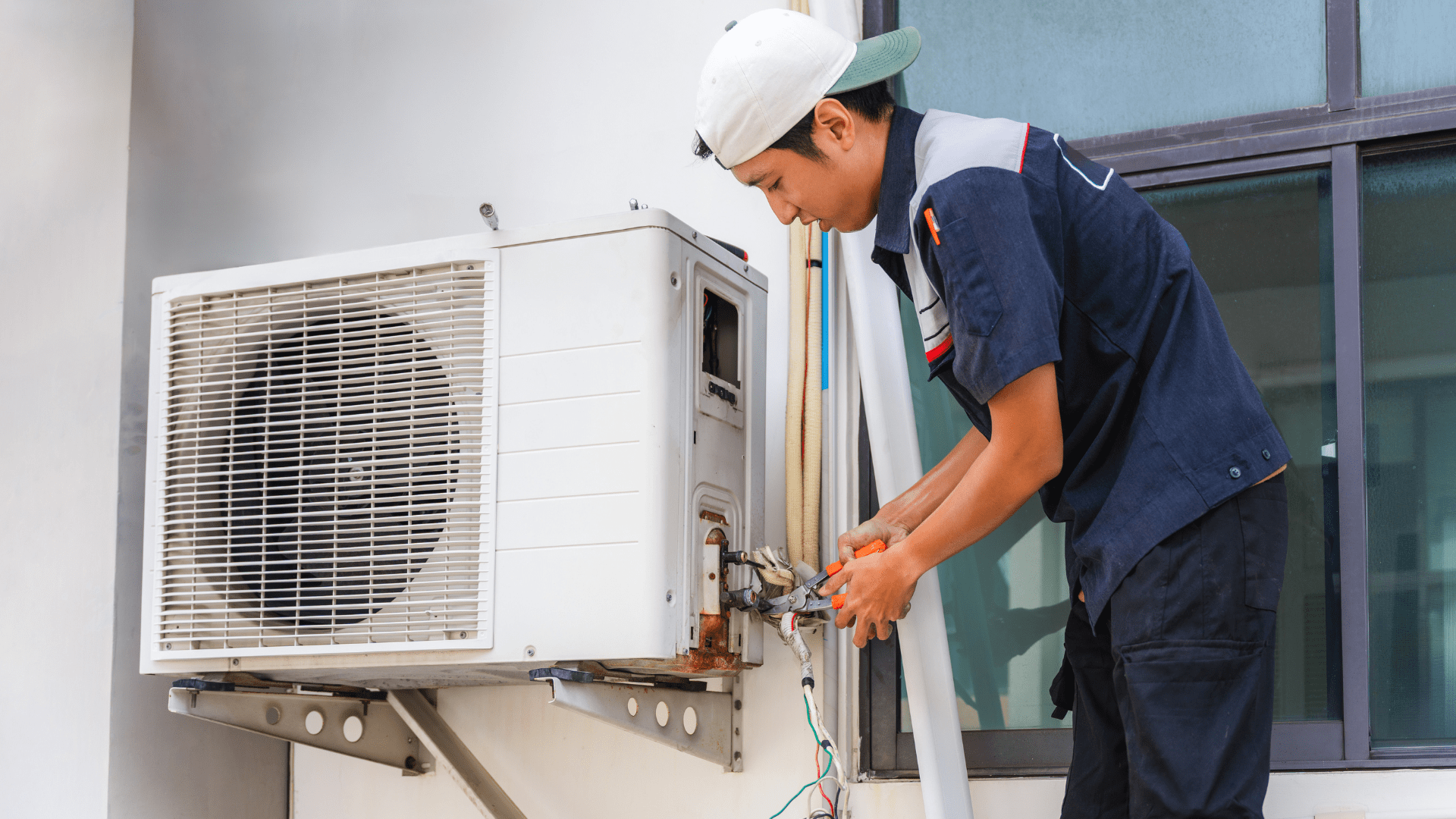
Florida summers push commercial buildings into one of the most demanding cooling environments in the country. As temperatures climb and humidity lingers, HVAC systems run longer cycles, recover less between operations, and face continuous strain throughout the workday.
What feels like normal cooling often masks the gradual buildup of stress inside the system. Coastal Climate Experts works with commercial properties across Brevard County to help building managers understand how seasonal heat impacts long-term HVAC performance and what steps support more stable operation.
Over time, that constant demand affects how efficiently the equipment operates and how long it remains reliable. Schedule a Commercial AC Tune Up before peak summer conditions place added strain on your system.
Why Florida Heat Creates Long-Term Stress on Commercial Systems
Commercial HVAC systems in Florida rarely get extended downtime during the summer season. Instead, they cycle repeatedly throughout the day to manage both temperature and humidity. That constant operation causes wear across multiple components simultaneously.
High ambient temperatures reduce the system’s ability to release heat efficiently. As outdoor conditions rise, the system must work harder to achieve the same indoor setpoint. Over time, that effort adds up and shortens equipment lifespan if conditions remain unaddressed.
Humidity adds another layer of stress. Systems must remove moisture while also cooling air, which increases runtime and energy use. When both temperature and humidity remain high for extended periods, HVAC systems operate under near continuous load.
Extended Runtime and Its Effect on Equipment Life
One of the most direct ways Florida heat impacts commercial systems is by increasing runtime cycles. As outdoor temperatures stay elevated, HVAC units run more frequently and for longer periods without adequate rest.
This extended operation increases wear on compressors, fan motors, and electrical components. Bearings and belts experience more friction, while electrical systems handle more frequent start-and-stop cycles.
Over time, these conditions contribute to a gradual loss of efficiency. The system continues to function, but it requires more energy to produce the same level of cooling. That added demand shortens the overall lifespan of the equipment if it continues unchecked.
How Heat Affects Key HVAC Components
Several core components of a commercial HVAC system are under direct strain during Florida summers. Each component reacts differently, but all contribute to a decline in system performance under constant high demand.
Compressors under constant pressure
The compressor handles the core cooling cycle. In extreme heat, it runs longer and works harder to transfer heat from inside the building to the outdoors. Continuous pressure on this component often leads to reduced efficiency and a higher risk of failure over time.
Coils are struggling with heat transfer
Evaporator and condenser coils rely on clean surfaces and proper airflow to function efficiently. When outdoor temperatures remain high, heat transfer becomes more difficult. Dirt buildup or restricted airflow only increases that strain.
Fans and motors are working overtime
Air movement plays a major role in system performance. When cooling demand rises, fan motors run longer and face more wear. This can lead to reduced airflow, noise issues, and mechanical fatigue.
Electrical components exposed to heat stress
High temperatures can affect wiring, relays, and control boards. Over time, heat exposure increases the likelihood of electrical faults and system interruptions.
Humidity and Its Hidden Impact on System Longevity
Florida’s humidity often places as much strain on commercial systems as heat itself. HVAC units must remove moisture from the air while also maintaining temperature control. That dual workload increases operating time and energy consumption.
When indoor humidity levels remain high, systems run longer cycles to achieve balance. This constant operation contributes to wear across multiple components. It also reduces overall comfort consistency inside office spaces, which can lead to increased adjustments and further system strain.
Warning Signs That Equipment Is Working Too Hard
Commercial systems often show early signs as summer conditions begin to affect performance. Recognizing these indicators helps reduce long-term damage and supports better system management.
Some of the most common warning signs include:
- Longer cooling cycles during peak afternoon hours
- Noticeable increase in energy bills without usage changes
- Uneven cooling across different office zones
- Frequent thermostat adjustments by staff
- Air that feels less consistent or less cool than usual
- Increased noise from rooftop or indoor units
- Short cycling or frequent system restarts
Each of these signals often points to rising system strain that benefits from early attention.
Why Routine Maintenance Matters During Florida Summers
Routine maintenance plays a key role in helping commercial systems handle extended summer demand. A well-maintained system operates more efficiently, experiences less strain, and maintains more consistent performance throughout the season.
A commercial AC tune-up helps identify early signs of wear before they turn into larger issues. Technicians often focus on airflow, refrigerant levels, coil condition, and electrical integrity during these visits.
Regular maintenance also helps systems maintain better energy efficiency. When components operate cleanly and correctly, the system does not need to overcompensate for lost performance.
Practical Ways to Help Maintain Office AC Unit Performance
Commercial property managers can take several steps to support HVAC performance during Florida summers. These actions help reduce unnecessary strain and improve system consistency.
Keep airflow pathways clear
Blocked vents or restricted airflow increase system workload. Ensuring open airflow allows the system to distribute air more evenly across all zones.
Replace filters on schedule
Dirty filters restrict airflow, forcing the system to work harder. Regular replacement helps maintain efficiency and improve indoor air quality.
Monitor thermostat settings
Frequent changes in temperature settings can increase system cycling. Stable thermostat use helps the system maintain consistent performance.
Schedule preventative inspections
Routine inspections help identify early signs of component wear before peak demand places additional stress on the system.
Address small issues quickly
Minor performance changes often signal larger underlying issues. Early attention helps prevent more expensive repairs later.
The Role of Seasonal Planning in System Longevity
Commercial HVAC systems in Florida perform best when they are maintained according to a planned maintenance schedule. Seasonal preparation allows technicians to address wear before peak demand arrives.
When systems receive attention before summer begins, they handle long cooling cycles more effectively. This reduces unnecessary strain and helps extend equipment lifespan.
Planning ahead also reduces the likelihood of emergency repairs during peak heat periods, when systems are already operating at maximum load.
Why Early Action Protects Long-Term System Performance
Florida summer conditions create one of the most demanding environments for commercial HVAC systems. Extended runtime, high humidity, and constant heat all contribute to gradual strain on the system. When these conditions persist without maintenance, equipment naturally wears more quickly.
Early attention helps stabilize performance and reduce long-term damage. It also supports more consistent comfort across office spaces, which benefits daily operations and employee productivity.
Maintaining Stability Through Florida Heat
Commercial HVAC systems remain essential to daily operations in office buildings across Florida. When summer heat increases demand, systems work harder to maintain a balance between temperature and humidity.
Without proper care, that effort slowly reduces efficiency and shortens equipment lifespan. Coastal Climate Experts provides HVAC services for commercial properties across Brevard County, designed for Florida conditions.
With the right maintenance approach, systems maintain more consistent performance through long cooling seasons and handle peak demand with greater stability. Prepare your system for Florida summer conditions and schedule a commercial AC tune-up to help your office maintain reliable cooling during peak demand.