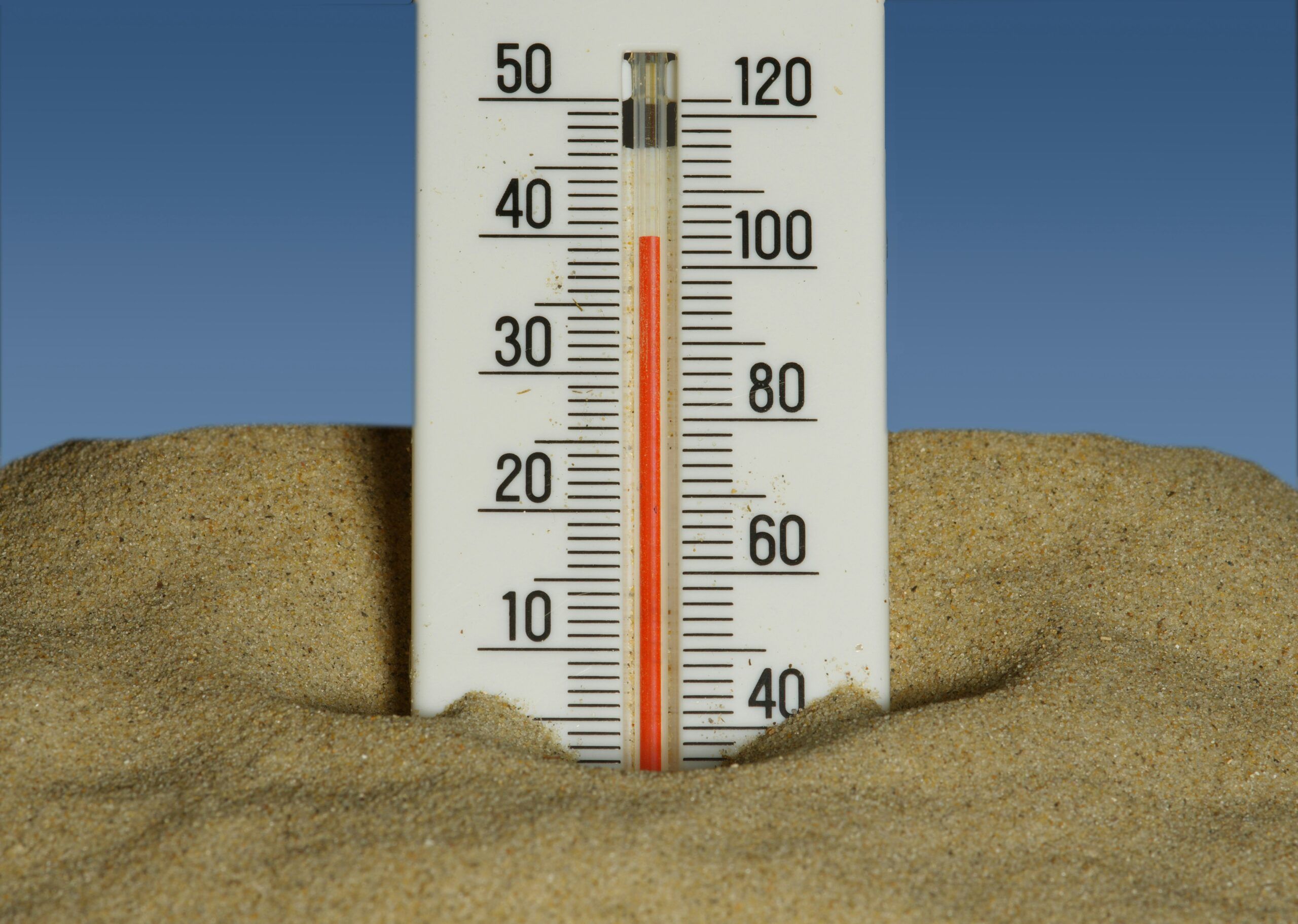

Spring can make your cooling system seem reliable, even as hidden strain builds behind the scenes. Once the first true heatwave arrives in Florida, longer run times and rising humidity begin to expose weak performance. Early attention helps you prevent AC breakdown before heatwave conditions take over, keeping indoor comfort consistent.
A timely check gives you a clearer picture of how your system performs in high temperatures and whether airflow, refrigerant levels, or components need adjustment. Addressing small concerns now can reduce stress on the system and support more stable cooling as outdoor conditions intensify.
If your equipment hasn’t been reviewed recently, now is the right time to prepare your AC for summer in Florida. Schedule an HVAC evaluation and head into peak heat with greater confidence in your system’s performance.
Why Florida Heatwaves Push HVAC Systems to the Edge
Florida summers bring more than high temperatures. Long cooling cycles, heavy humidity, and constant system demand create stress that builds over time. Even a system that feels fine in March can struggle by June.
According to the U.S. Department of Energy, heating and cooling account for about 43% of a typical home’s energy use. When a system loses efficiency, energy use rises quickly during extreme heat.
That increase often shows up as longer run times, uneven cooling, and higher utility bills. These signs point to performance gaps that become more noticeable when outdoor temperatures stay elevated for days at a time.
Key Signs Your System Is Not Ready for Peak Heat
Many homeowners do not recognize early warning signs because the system continues to run. Paying attention to small changes can help you prepare your AC for Florida’s summer conditions before issues escalate.
Watch for these signs:
- Longer cooling cycles without reaching the set temperature
- Uneven temperatures between rooms
- Increased indoor humidity or a damp feeling
- Weak airflow from vents
- Sudden spikes in energy usage
These patterns indicate that your system may be working harder than necessary. Addressing them early supports better HVAC readiness during Florida heatwaves.
How Clean Air Filters Support System Performance
Airflow plays a major role in how well your system performs during extreme heat. A clogged filter restricts airflow, forcing the system to run longer to maintain comfort.
During peak cooling season, homeowners should:
- Check filters monthly
- Replace filters every 30 to 60 days
- Replace more often in homes with pets or high pollen exposure.
Clean filters support airflow, help maintain system efficiency, and improve indoor air quality. They also reduce strain on components that already work harder during long summer cycles.
For more ways to improve airflow and system performance, explore Indoor Air Quality solutions that support consistent cooling.
Why Pre-Season Maintenance Makes a Difference
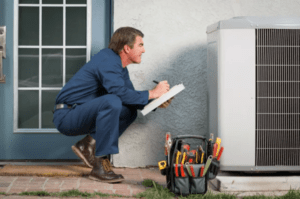
Routine maintenance helps identify small issues before they become larger problems during periods of high demand. A system evaluation focuses on how your equipment performs under real conditions, not just whether it turns on.
A professional visit may include:
- Checking refrigerant levels and inspecting for leaks
- Cleaning coils and airflow components
- Testing thermostat accuracy
- Inspecting electrical connections and system controls
- Evaluating airflow balance throughout the home
These steps help improve system performance and support more stable indoor conditions during extended heat.
Learn more about Residential AC maintenance services and how they support long-term performance.
When an Upgrade May Be Worth Considering
Some systems reach a point where adjustments alone do not improve comfort. Older equipment or improperly sized systems may struggle to keep up with Florida’s heat, even with maintenance.
In these cases, homeowners may consider:
- High-efficiency systems designed for humid climates
- Variable-speed equipment that supports steady temperatures
- Smart thermostat upgrades for better control and scheduling
- Zoned systems that improve comfort across different areas
An evaluation helps determine whether your current system can meet demand or if an upgrade would improve performance.
If your system shows signs of strain, review your AC replacement options to understand what may work best for your home.
Questions to Ask Before the Heatwave Arrives
A pre-season visit is also an opportunity to gain clarity on your system. Asking the right questions helps you understand how your home handles cooling demand.
Consider asking:
- Is my system sized correctly for my home?
- Are there airflow issues affecting comfort?
- How often should I change my air filter?
- Is my thermostat reading accurately?
- Are there signs of wear that could impact summer performance?
These conversations help you make informed decisions and reduce uncertainty as you head into peak season.
Stay Ahead of the First Heatwave
The first major heatwave does not create problems. It reveals them. Systems that receive early attention tend to handle long-term cycles more effectively, while neglected systems often struggle when demand increases.
Taking steps now supports more consistent temperatures, better humidity control, and fewer surprises when temperatures rise. Waiting until peak summer often means longer service delays and limited scheduling availability.
Get Ready for Florida’s 2026 Heat
Your system does not need to fail to show signs of strain. Small performance issues often appear before major problems develop. Addressing them early helps you stay ahead of rising temperatures and keeps your home more comfortable when it matters most.
Book your HVAC readiness evaluation today and take the first step toward a more prepared, comfortable home this summer.