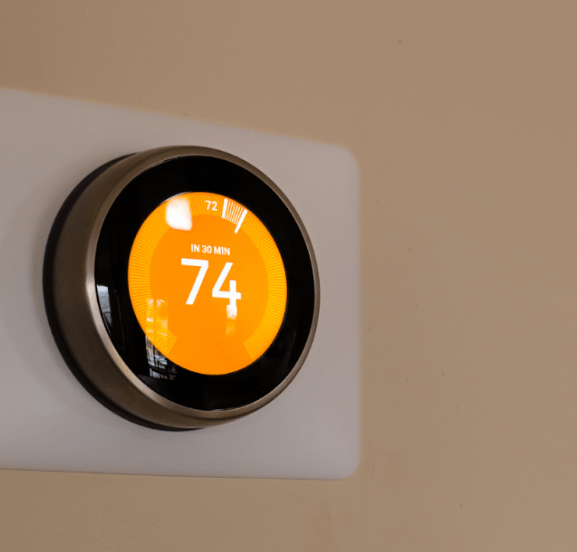
Your thermostat may show the right number, yet your home can still feel warm and sticky during Florida summers. Moisture builds indoors, altering how the air feels, creating discomfort even when cooling runs as expected. Cooling alone does not resolve the issue when humidity remains high for extended periods.
Better moisture control helps your system create a more balanced indoor environment. When humidity stays in check, air feels cooler, comfort becomes more consistent, and your system does not have to work as hard to maintain conditions. That shift supports improved indoor comfort and HVAC performance throughout your home.
If your system has not been evaluated recently, now is a good time to take action. A professional humidity check can identify airflow issues, moisture buildup, and system adjustments to improve performance. Schedule a humidity evaluation now to reduce indoor humidity in Florida homes before peak season arrives.
Why Humidity Changes How Your Home Feels
Florida homes are constantly exposed to outdoor moisture. That moisture enters through doors, windows, and even small gaps in insulation. Once inside, it mixes with indoor air, creating the heavy feeling many homeowners recognize.
Temperature and humidity work together to define comfort. When moisture levels rise, your body has a harder time cooling itself, even if the thermostat is set to a lower temperature. That is why many households in Florida experience AC humidity problems, where cooling seems inconsistent.
How Your AC System Handles Moisture
Your air conditioning system does more than cool air. It also removes humidity during the cooling process. As warm air passes over the evaporator coil, moisture condenses and drains away from the system.
This process works best when your system runs long enough to remove both heat and moisture. In Florida, high humidity levels often require longer run cycles to maintain balanced indoor conditions.
When systems struggle with humidity, the issue often connects to airflow, system sizing, or runtime rather than temperature alone.
Signs Your AC Is Not Managing Humidity Well
Humidity issues often manifest in subtle ways before becoming obvious. Many homeowners notice changes in comfort without immediately connecting them to moisture levels.
Watch for signs like these:
- A sticky or clammy feeling, even when cooling runs
- Musty odors that linger throughout the home
- Condensation on windows or vents
- Uneven comfort between rooms
- Increased allergy or irritation indoors
These signals often indicate that your system needs adjustments to improve HVAC performance in Florida.
Why Short Cooling Cycles Make Humidity Worse
Air conditioning systems remove the most moisture during longer run cycles. When a system turns on and off too quickly, it cools the air without removing enough humidity.
This issue often occurs when:
- The system is oversized for the home
- The thermostat reaches the set temperature too quickly
- Airflow moves too fast across the coil
Short cycling causes the temperature to drop while moisture remains. That imbalance leads to the familiar feeling of cool but damp air.
The Impact of System Size on Indoor Comfort
System size plays a major role in how effectively your AC manages humidity. Many homeowners assume a larger system will cool better, but that assumption often leads to uneven results.
An oversized system cools air quickly and shuts off before completing proper dehumidification. A properly sized system runs longer, which allows it to remove more moisture from the air.
Sizing affects more than comfort. It also influences energy use, system lifespan, and the evenness of air circulation throughout your home.
How Airflow Affects Moisture Removal
Airflow determines how long air stays in contact with the evaporator coil. That contact time directly affects how much moisture the system can remove.
When airflow moves too quickly, air passes over the coil without losing enough moisture. When airflow slows slightly, the system can extract more humidity before sending air back into your home.
Adjusting airflow requires a careful balance. Proper tuning helps improve both cooling performance and moisture control without overworking the system.
Simple Ways to Improve Humidity Control at Home
Many homeowners can take small steps to improve indoor comfort before considering system upgrades. These changes support better moisture control and help your system perform more efficiently.
Consider these practical adjustments:
- Replace air filters regularly to maintain proper airflow
- Use ceiling fans to improve air circulation
- Keep doors and windows closed during peak humidity
- Seal gaps that allow outdoor air to enter
- Set the thermostat to a consistent temperature
These steps work alongside professional services, such as air-conditioning maintenance and indoor-air-quality solutions, to improve overall comfort.
When Additional Equipment Makes Sense
In some homes, standard air conditioning cannot fully manage humidity levels on its own. Florida conditions often require additional measures to maintain balanced indoor air quality.
Options that support humidity control include:
- Whole-home dehumidifier installation to remove excess moisture
- Smart thermostat upgrades that improve system runtime control
- Ductless mini split systems for targeted cooling in problem areas
- Enhanced air filtration systems to improve air quality alongside moisture control
These upgrades work together to address both temperature and humidity challenges more comprehensively.
Why Maintenance Plays a Key Role in Moisture Control
Routine maintenance helps your system manage humidity more effectively. Dirty coils, clogged filters, and blocked drainage lines all reduce your system’s ability to remove moisture.
During a professional service visit, technicians review components that directly affect humidity control, including:
- Evaporator coil condition
- Refrigerant levels
- Drain line function
- Airflow performance
Clean, properly functioning components allow your system to operate with greater balance and consistency.
The Connection Between Humidity and Energy Use
Humidity does more than affect comfort. It also influences how hard your system has to work to maintain indoor conditions. When moisture remains high, your system may run longer to achieve the same level of comfort.
Research from the Department of Energy shows that proper humidity control can make higher thermostat settings feel just as comfortable, helping reduce cooling demand. This insight highlights how managing moisture can support both comfort and efficiency.
Improving humidity control often leads to more stable indoor conditions and less strain on your equipment.
Build a More Balanced Indoor Environment
Humidity challenges in Florida homes require a thoughtful approach that goes beyond temperature adjustments. By understanding how your system manages moisture, you can make informed decisions about maintenance, airflow, and potential upgrades.
Balanced indoor air supports better comfort, more consistent cooling, and improved system performance over time. Addressing humidity early helps prevent ongoing discomfort during peak summer conditions.
Book a professional AC and humidity assessment today and take control of your indoor comfort before the heat and moisture rise.