Florida’s commercial buildings quickly enter a high-cooling-demand phase as temperatures climb, and office environments often feel the shift before anything visibly breaks. Employees start noticing uneven comfort, systems run longer than expected, and energy use rises without a clear reason.
These early changes often signal that the HVAC system is working harder than it should just to maintain basic comfort. Understanding these warning signs early helps office managers and property owners respond before peak heat puts the system under full pressure.
Coastal Climate Experts works with commercial properties across Brevard County to support more stable cooling performance through Florida’s toughest months. Schedule a commercial AC inspection before summer demand increases and office comfort becomes harder to manage.
When Small Changes in Cooling Performance Start Adding Up
Commercial HVAC systems rarely fail without warning. Instead, performance slowly shifts in ways that feel subtle at first. A workspace may still feel cool, but not evenly. Some rooms feel warmer, while others overcool. Over time, those inconsistencies point toward developing issues within the system.
In many cases, businesses begin searching for commercial AC non-cooling solutions when the system still runs but no longer meets demand. That gap between operation and performance often signals strain within airflow, refrigerant balance, or system control components.
Uneven Temperatures Across Office Spaces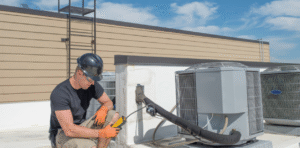
One of the earliest signs of trouble appears when different areas of the office no longer feel consistent. Conference rooms may feel comfortable, while workstations remain warm. Hallways may feel fine while private offices struggle to stay cool.
This imbalance often develops when airflow distribution weakens or ductwork develops leaks. It can also point to zoning issues or failing dampers inside the system. When airflow does not reach all areas equally, the system compensates by running longer cycles, which increases wear over time.
Commercial buildings rely on balanced cooling to maintain productivity, so even small temperature variations across zones often signal deeper performance concerns.
Longer Cooling Cycles During the Workday
When a system takes longer than usual to reach the same temperature, it often indicates that internal efficiency has declined. The equipment continues to operate, but it no longer delivers cooling at the same rate as before.
This condition frequently develops from dirty coils, restricted airflow, or low refrigerant levels. During Florida’s long cooling season, extended runtime can quickly strain rooftop units and split systems. As cycles lengthen, energy usage rises, and comfort becomes less predictable throughout the day.
Rising Energy Bills Without Increased Usage
Commercial energy costs often reveal performance issues before occupants notice anything physically wrong. When a building maintains the same occupancy and schedule, but utility costs continue to rise, HVAC inefficiency often plays a major role.
Systems that struggle to maintain temperature naturally consume more power. Fans run longer, compressors cycle more frequently, and the system works harder to compensate for lost efficiency. Over time, these patterns create noticeable changes in monthly operating expenses.
Unusual Sounds or Vibrations From Equipment
Commercial HVAC systems normally produce a steady operating sound, especially rooftop units that run during business hours. When new noises appear, they often indicate mechanical stress or worn components.
Common sounds include rattling, buzzing, or grinding. These noises can come from loose parts, failing motors, or debris inside the unit. Vibrations may also indicate mounting issues or imbalance within fan assemblies. When equipment begins making unfamiliar sounds, it often signals the need for repair before more serious damage develops.
Weak Airflow Through Vents
Reduced airflow often appears gradually. Employees may notice that vents feel weaker or that certain areas receive less cooling than before. This condition can result from clogged filters, blocked ducts, or failing blower components.
Weak airflow affects the entire system by disrupting air circulation throughout the building. When airflow decreases, the system compensates by running longer, increasing wear and reducing overall efficiency. Over time, weak airflow contributes to inconsistent cooling and higher operating costs.
Humidity That Feels Hard to Control Indoors
Florida humidity adds another layer of demand to commercial HVAC systems. When systems begin to lose efficiency, humidity control often becomes inconsistent. Indoor air may feel sticky even when the thermostat shows a correct temperature.
This often indicates that the system no longer removes moisture at the same rate it once did. Poor dehumidification can result from refrigerant issues, coil problems, or airflow restrictions. When indoor humidity rises, comfort levels drop even if the cooling continues to run.
Thermostat Issues That Disrupt Consistency
Thermostats play a critical role in the performance of commercial HVAC systems. When calibration drifts or sensors begin to fail, the system may receive inaccurate temperature readings. This can cause short cycling, extended runtime, or inconsistent cooling across zones.
In some buildings, staff may frequently adjust thermostat settings to address comfort issues. When adjustments become routine rather than occasional, it often signals that the control system is no longer communicating effectively with the HVAC equipment.
Frequent System Cycling or Short Bursts of Operation
Short cycling occurs when the system turns on and off more frequently than normal. This behavior places stress on components and prevents the system from completing full cooling cycles.
Short cycling often connects to thermostat issues, refrigerant imbalances, or electrical faults. In commercial settings, this issue can disrupt comfort consistency and increase wear on compressors and motors. Over time, it shortens equipment lifespan and reduces overall reliability.
Early Warning Signs to Watch Across Commercial Buildings
Many commercial HVAC issues appear gradually across multiple areas of the building. Recognizing early patterns helps prevent larger disruptions during peak summer demand.
Some of the most common indicators include
- Office zones that feel warmer than others
- The equipment is running longer without improved cooling
- Staff frequently adjust thermostat settings
- Noticeable increase in energy consumption
- Air that feels less consistent throughout the day
- Small but repeated comfort complaints from employees
Each of these signals often connects to an underlying system strain that grows over time if left unaddressed.
Why Early Repair Matters Before Peak Summer Heat
Florida’s peak summer conditions place maximum demand on commercial HVAC systems. When equipment already shows signs of strain, that added pressure can lead to sudden performance failures or full system breakdowns.
Addressing early warning signs helps stabilize system performance before demand increases. It also allows technicians to correct airflow issues, restore refrigerant balance, and improve system efficiency before workloads peak.
Staying Ahead of Commercial Cooling Demand
Commercial AC systems rarely fail without warning. They shift gradually, showing early indicators that often appear small but connect to larger performance concerns.
Recognizing these signs early helps maintain consistent comfort across office environments during Florida’s most demanding months. Coastal Climate Experts supports commercial property owners across Brevard County with HVAC insight and service planning tailored to Florida conditions.
When systems operate at their best, office environments stay more stable, employees remain more comfortable, and equipment handles seasonal demand more effectively. Take the next step before peak heat arrives and schedule a commercial HVAC evaluation to help keep your building prepared for Florida’s toughest cooling season.