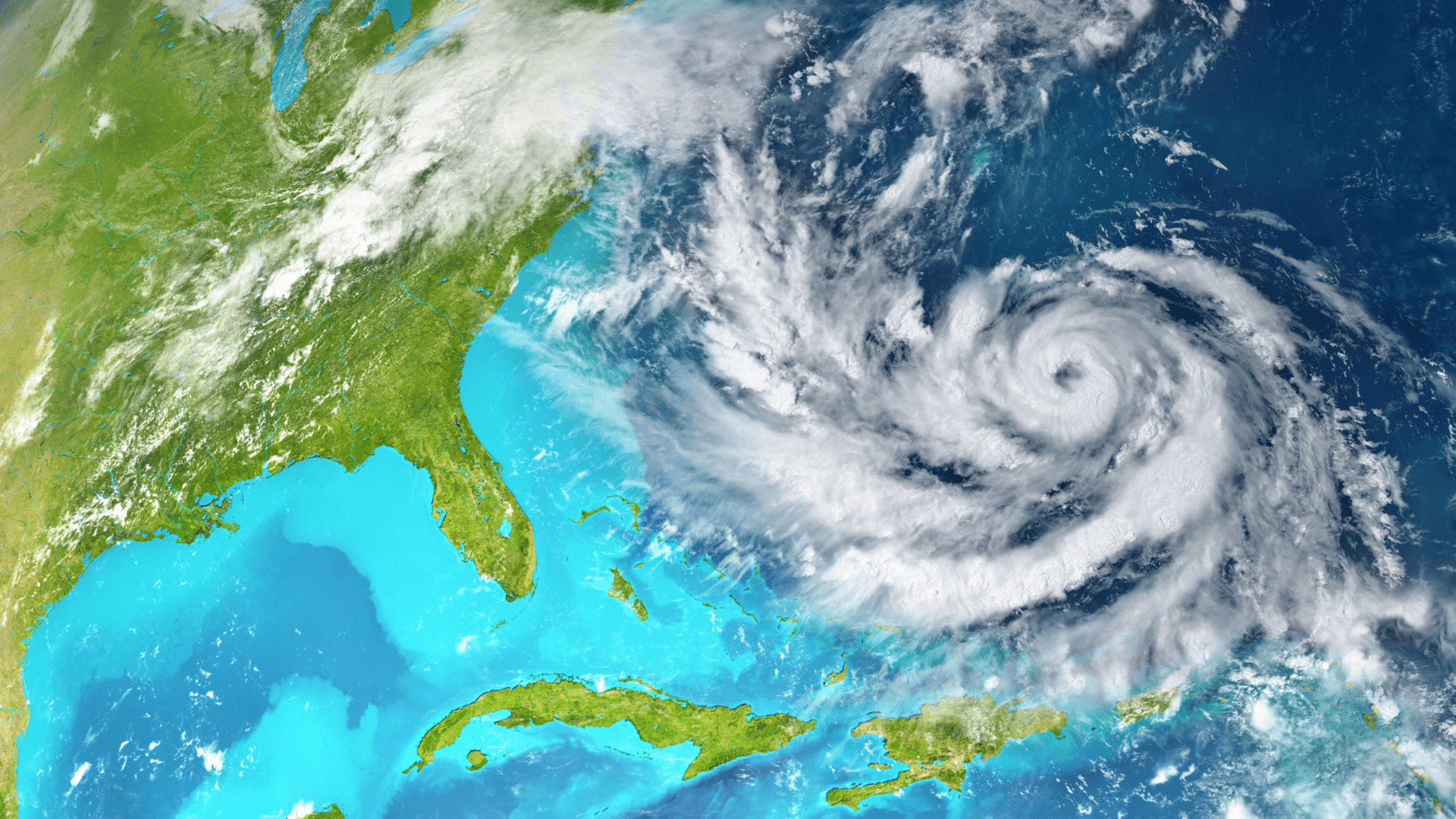
Hurricane season is far from over once summer reaches its peak. In fact, many of Florida’s strongest storms develop during the second half of the season, catching homeowners who have already relaxed their preparations. While supplies may still sit in the garage and shutters remain nearby, one of the most overlooked parts of storm readiness is the HVAC system.
Your air conditioner works hard through Florida’s hottest months, and severe weather places even more stress on critical components. High winds, lightning, heavy rain, power outages, and electrical surges can all create problems that affect your comfort long after a storm passes. Taking a few preventive steps now helps reduce unnecessary wear and keep your system prepared for unpredictable weather.
Give your HVAC system the attention it deserves before the next storm develops. Schedule an inspection with Coastal Climate Experts and make storm preparation part of your seasonal home maintenance.
Why Late Hurricane Season Deserves Your Attention
Many homeowners focus heavily on preparations in June because hurricane season officially begins then. By August and September, routines return to normal, vacations wind down, and storm preparation often moves to the bottom of the list.
Historically, however, many of the strongest Atlantic storms occur during the later months of hurricane season. Warm ocean temperatures provide ideal conditions for tropical systems to strengthen quickly, sometimes leaving homeowners with very little time to prepare.
Your HVAC system remains exposed every day. Outdoor equipment is exposed to heavy rain, flying debris, strong winds, and sudden electrical fluctuations. Taking action before another storm develops helps protect one of the most valuable systems in your home.
Your Air Conditioner Faces More Than Wind Damage
Most people think of fallen branches when they picture storm damage, but hurricanes affect HVAC systems in several different ways.
Common risks include
- Lightning strikes that create dangerous electrical surges
- Power interruptions followed by sudden voltage spikes
- Flooding around outdoor equipment
- Wind-driven debris striking condenser units
- Salt air exposure along coastal communities
- Extended operation before and after storms due to extreme humidity
Even storms that never make landfall can create unstable electrical conditions throughout Central Florida.
Why AC Surge Protection Maintenance Matters
One of the most effective ways to reduce electrical damage is to keep surge protection in excellent condition.
Surge protection devices absorb excess electrical voltage before it reaches sensitive HVAC components. Over time, repeated surges slowly reduce a protector’s effectiveness. Many homeowners assume the device lasts forever, but routine inspections help verify that protection remains active.
During AC Surge Protection Maintenance, technicians can
- Inspect the surge protector
- Confirm proper grounding
- Test electrical connections
- Verify indicator lights
- Recommend replacement if protection has weakened
Small electrical spikes happen much more often than most homeowners realize. Proper maintenance helps ensure your HVAC system remains protected throughout hurricane season.
Small Problems Become Larger After a Storm
Late summer places tremendous demand on cooling equipment. Your system has already operated almost nonstop for several months before another hurricane even approaches.
Minor issues may seem harmless today, but storms often magnify existing wear.
Examples include
- Loose electrical connections
- Dirty condenser coils
- Weak capacitors
- Clogged drain lines
- Aging contactors
- Restricted airflow
Addressing these items before severe weather arrives helps your system recover more efficiently once power is restored.
Simple Ways to Prepare Your Home for Hurricane Season
Protecting your HVAC system does not require complicated upgrades. A few practical steps can make a significant difference.
Secure the Outdoor Unit
Loose objects become dangerous projectiles during high winds. Patio furniture, garden tools, decorations, and tree branches can all damage outdoor equipment.
Walk around your yard before every major storm and remove anything that could strike the condenser.
Trim Nearby Landscaping
Overgrown shrubs and tree limbs limit airflow throughout the summer while increasing the risk of storms.
Regular trimming improves efficiency and reduces the chance of branches falling onto your equipment.
Replace Dirty Air Filters
A clean filter supports healthy airflow while reducing strain on your system.
Late summer often brings additional pollen, dust, and humidity. Replacing filters before another storm helps your air conditioner perform more efficiently.
Schedule Professional Maintenance
Routine AC Maintenance allows technicians to inspect critical components before problems become emergencies.
Maintenance appointments typically include
- Electrical inspections
- Refrigerant checks
- Coil cleaning
- Drain line cleaning
- Airflow testing
- Thermostat evaluation
Regular service keeps your system prepared for continued heavy operation.
Power Surges Can Cause Expensive Damage
Power restoration often creates one of the biggest threats after severe weather.
When electricity returns following an outage, voltage may fluctuate dramatically for a brief period. Sensitive HVAC electronics can suffer damage in seconds.
Electrical surges commonly affect
- Compressors
- Control boards
- Capacitors
- Fan motors
- Thermostats
Many homeowners do not discover the damage until they attempt to restart their cooling system.
Proper surge protection helps reduce these risks before the next outage occurs.
Indoor Comfort Still Matters During Storm Season
Preparing your HVAC system benefits more than your equipment.
Florida homes trap humidity quickly after air conditioning stops operating. Even short interruptions may cause indoor temperatures and moisture levels to climb.
High humidity can contribute to
- Musty odors
- Condensation
- Reduced comfort
- Poor sleep
- Additional stress during severe weather
Maintaining your HVAC system supports better indoor conditions before, during, and after storms.
Why Routine Maintenance Pays Off Throughout the Season
Many homeowners wait until something breaks before calling for service.
Preventative maintenance offers an opportunity to identify worn parts before they fail unexpectedly.
Technicians often discover
- Weak electrical components
- Refrigerant issues
- Drain line restrictions
- Dirty evaporator coils
- Worn contactors
- Loose wiring
Addressing minor issues during scheduled maintenance is often much more convenient than dealing with unexpected breakdowns during hurricane season.
Prepare Your Home for Hurricane Season With a Complete Plan
Storm preparation should include more than bottled water and flashlights.
Consider creating a checklist that includes your HVAC system alongside other household priorities.
Your preparation list may include
- Replace air filters
- Test smoke detectors
- Inspect surge protection
- Schedule HVAC maintenance
- Trim landscaping
- Secure outdoor furniture
- Check backup power options
- Store important documents safely
A complete plan helps reduce last-minute stress when severe weather approaches.
Coastal Florida Homes Face Unique Challenges
Homes near the Space Coast experience conditions that place additional stress on HVAC systems throughout hurricane season.
Salt air encourages corrosion. High humidity increases operating time. Frequent afternoon storms create repeated electrical fluctuations.
Local experience matters because technicians understand how Florida’s environment affects heating and cooling equipment differently than other regions.
Routine inspections help identify weather-related wear before major problems develop.
Stay Ready Through the Rest of Hurricane Season
Preparing early remains important, but staying prepared throughout the season matters just as much.
Your air conditioner continues working through Florida’s hottest weather while facing storms that can develop quickly during late summer and early fall. Giving your HVAC system regular attention helps reduce unnecessary wear and tear while supporting reliable performance in changing weather conditions.
Protect your comfort before another storm appears on the forecast. Contact Coastal Climate Experts to keep your cooling system ready for whatever the rest of hurricane season brings.