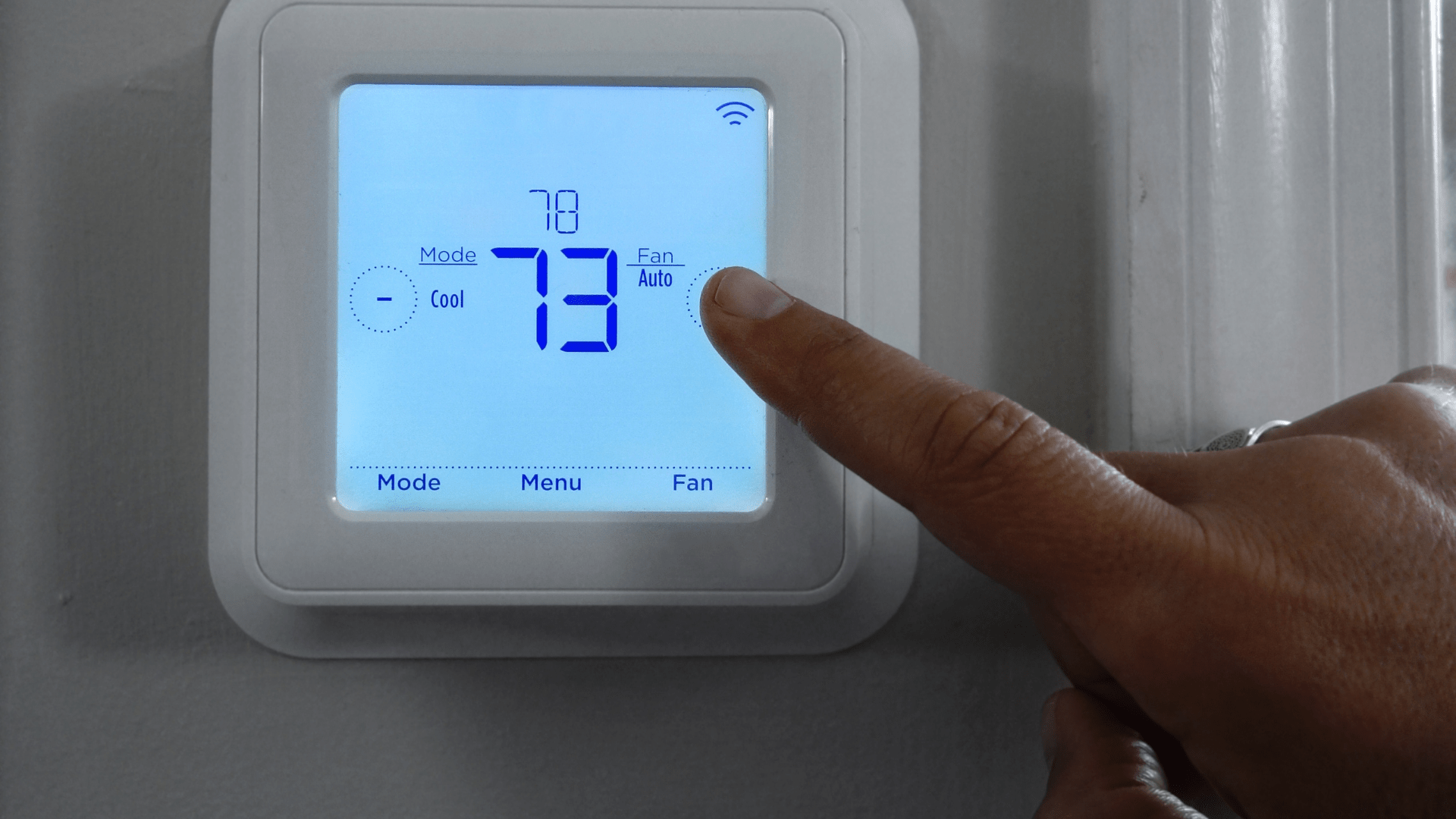
Your air conditioner can run for hours during a Florida summer and still leave certain rooms feeling warm. The thermostat may show your preferred temperature, but bedrooms, upstairs spaces, or rooms far from the indoor unit may never feel quite right.
An undersized air conditioner may struggle to keep up with Florida’s heat and humidity. The system can operate for long periods while your home continues to experience uneven temperatures, elevated humidity, or uncomfortable rooms.
Before assuming you need a new system, a professional HVAC evaluation can help determine whether maintenance, airflow improvements, ductwork service, or equipment replacement makes sense for your home.
Schedule an AC evaluation with Coastal Climate Experts and get a closer look at your system’s capacity, condition, and performance.
What Does AC Sizing Actually Mean
AC sizing refers to the cooling capacity of an air conditioning system relative the a home’s cooling needs.
HVAC professionals typically consider factors such as:
- Home size
- Insulation
- Window placement
- Number of windows
- Ceiling height
- Home orientation
- Ductwork
- Local climate
- Occupancy
- Heat-producing appliances
- Air leakage
A larger home does not automatically need the largest available AC system. Likewise, a smaller home may still require specific equipment based on its construction and layout.
Professionals use load calculations to determine the appropriate cooling capacity rather than relying only on square footage.
That distinction matters because homeowners may mistake a performance issue for a sizing issue.
Your AC Runs Almost Constantly
Florida air conditioners often run for extended periods during hot weather. Long cycles do not automatically mean your system has the wrong capacity.
However, if your AC runs nearly nonstop and still struggles to reach the thermostat setting, the system deserves a closer look.
An undersized unit may not have enough capacity to remove the amount of heat entering the home. The system can continue operating while the indoor temperature remains above the desired setting.
Before jumping to replacement, have a technician inspect the equipment and airflow. Dirty coils, restricted filters, refrigerant problems, duct leaks, and other HVAC issues can also contribute to long operating cycles.
Some Rooms Stay Warmer Than Others
Uneven temperatures can make homeowners wonder whether their AC has enough capacity.
You may notice a comfortable living room while an upstairs bedroom remains warm. One side of the home may also feel noticeably different from another.
An undersized AC can contribute to uneven comfort, but the equipment may not always be responsible.
Ductwork problems can create similar symptoms. Leaky or poorly designed ducts can prevent conditioned air from reaching certain rooms effectively. Blocked vents, insulation problems, and airflow restrictions can also affect room temperatures.
A professional evaluation can help separate a capacity issue from an airflow issue.
Your Home Feels Humid Even When the AC Runs
Florida homeowners deal with humidity throughout much of the year.
Your air conditioner removes heat and moisture from indoor air as part of its normal operation. When the system does not adequately manage indoor conditions, your home may feel sticky even when the thermostat displays a reasonable temperature.
An undersized system can run for long periods while struggling to satisfy the cooling demand.
However, humidity problems can have other causes. Ductwork, ventilation, insulation, drainage, equipment condition, and thermostat settings can all affect indoor humidity.
If your home feels damp or musty despite frequent AC operation, schedule an HVAC evaluation rather than assuming the system needs replacement.
Your Energy Bills Keep Climbing
Longer AC operating cycles can increase energy use.
If your air conditioner consistently runs for extended periods, you may notice higher utility costs during periods of extreme heat. However, an increased energy bill does not automatically indicate an undersized system.
Several factors can affect HVAC energy consumption.
These include:
- Outdoor temperatures
- Thermostat settings
- Filter condition
- Equipment age
- Refrigerant issues
- Dirty coils
- Duct leakage
- Insulation
- Air leaks around doors and windows
- HVAC system efficiency
- Changes in household usage
Look at energy trends alongside other symptoms. A consistently high bill combined with long cooling cycles and warm rooms gives a technician more information to investigate.
Your AC Struggles During the Hottest Days
Florida’s hottest afternoons put significant demand on residential HVAC systems.
A system that maintains comfortable temperatures during mild weather may struggle when outdoor temperatures climb.
Pay attention to how your home responds during periods of extreme heat.
- Does the AC eventually reach the thermostat setting?
- Do certain rooms remain warm?
- Does the system operate for hours without shutting off?
Occasional long cycles during extreme weather can happen with properly sized equipment. Persistent problems deserve professional attention.
An HVAC technician can evaluate system performance under the conditions affecting your home.
Your AC May Be Too Small After a Home Addition
Home renovations can change your home’s cooling requirements.
Adding a bedroom, an enclosed porch, a finished attic, or expanded living space can increase the area your HVAC system needs to condition.
An AC system that worked well before a renovation may have more difficulty after the home’s layout changes.
The ductwork may also need adjustments to serve the additional space.
How to Tell the Difference Between Sizing and Maintenance Issues
Homeowners often face an important question when their AC cannot keep up.
Is the system too small, or does the equipment need service?
A maintenance issue can cause symptoms that resemble those of an undersized AC.
For example, a dirty filter can restrict airflow. A dirty evaporator coil can affect heat transfer. A refrigerant problem can change cooling performance. Duct leaks can allow conditioned air to escape before it reaches living spaces.
Before recommending replacement, a professional should evaluate the entire system.
A useful HVAC assessment can examine:
- Equipment condition
- Cooling capacity
- Airflow
- Refrigerant-related concerns
- Thermostat operation
- Ductwork
- Insulation
- Electrical components
- Indoor humidity
- Home characteristics
That information can help homeowners understand whether repair, maintenance, airflow improvements, or replacement deserves consideration.
What Happens During an AC System Evaluation
Coastal Climate Experts can evaluate your existing HVAC system when you notice persistent cooling concerns.
A technician can review the equipment, inspect components, assess airflow, and look at factors that influence cooling throughout the home.
If the system appears undersized, the next step should involve more than simply installing a larger unit.
A professional should consider the home’s cooling load and determine what equipment capacity makes sense.
Installing an oversized system can create its own problems. A system that cools the home too quickly may not run long enough to manage humidity effectively.
Proper sizing matters in both directions.
When Should You Consider AC Replacement
An undersized system does not automatically mean replacement represents the best option.
If the equipment remains in good condition, other improvements may address some comfort concerns. A technician may identify ductwork issues, airflow restrictions, insulation concerns, or maintenance needs.
Replacement may become a consideration when the system has reached an advanced age, requires frequent repairs, lacks appropriate capacity, or no longer fits the home’s current cooling needs.
Homeowners should make that decision based on the condition of the equipment and the needs of the home rather than relying on one symptom.
Local HVAC Evaluations for Florida Homes
Coastal Climate Experts serves homeowners throughout Brevard County, including Melbourne, Palm Bay, Rockledge, Cocoa, Cocoa Beach, and surrounding communities.
Our local climate creates unique demands for residential air conditioning systems. High temperatures and humidity can reveal cooling problems that might go unnoticed in milder weather.
Our team can evaluate your system and help you understand what may contribute to uneven cooling, long operating cycles, or humidity concerns.
We can also discuss maintenance, repairs, ductwork, system replacement, and other HVAC options based on your home’s needs.
Find Out What Your AC Really Needs
An air conditioner that runs constantly, struggles to cool certain rooms, or leaves your home feeling humid may have a capacity issue. However, those symptoms can also come from maintenance, airflow, ductwork, or equipment problems.
That makes a professional evaluation an important first step.
Rather than immediately assuming your AC is too small, have the system and home evaluated together. A proper assessment can help identify the underlying issue and give you clearer information about your options.
Coastal Climate Experts can help Brevard County homeowners understand their HVAC systems and determine whether maintenance, repair, improvements, or replacement deserves consideration.