Why Are My Energy Bills Suddenly Higher?
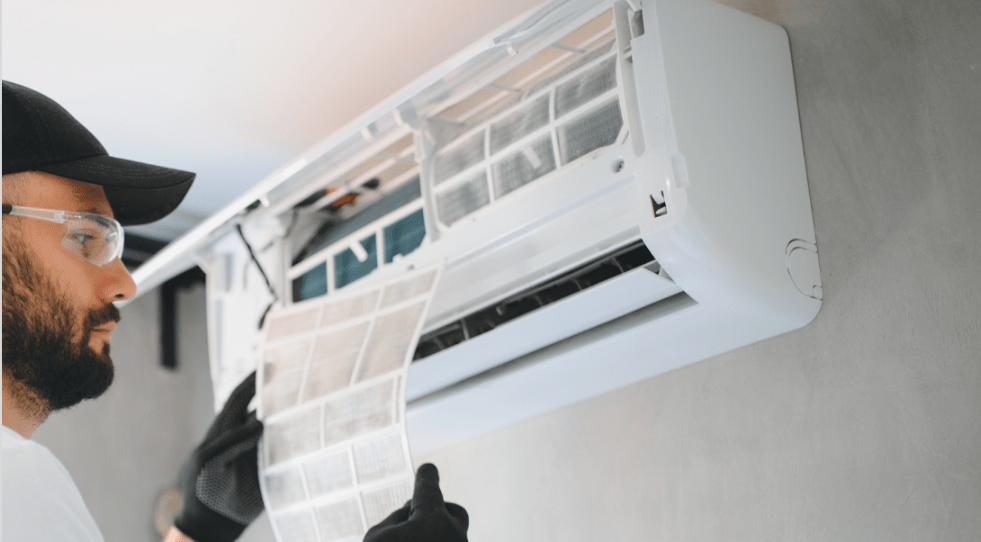
Many Florida homeowners have experienced the same frustrating situation. You open your utility bill and notice it has increased again, even though your thermostat settings, daily routines, and cooling habits haven’t changed.
If your energy bills seem to be creeping up month after month, your HVAC system may be trying to tell you something.
Small efficiency losses often develop gradually. A system that once cooled your home effortlessly may begin working harder behind the scenes, consuming more electricity while delivering the same, or even worse, comfort levels.
The good news is that rising cooling costs are often caused by issues that can be identified and addressed before they become major repairs.
If your utility bills seem unusually high, scheduling an HVAC efficiency assessment with Coastal Climate Experts can help uncover hidden problems and restore system performance.
When Your Air Conditioner Runs More but Cools Less
Your air conditioning system does much more than simply lower the temperature inside your home. It also removes humidity, circulates air, and helps maintain indoor comfort throughout Florida’s long cooling season.
When efficiency declines, your AC may run longer cycles to achieve the same results. While the difference may seem small at first, those additional run times add up quickly on your monthly electric bill.
Common causes of rising HVAC energy costs include:
- Dirty air filters
- Duct leaks
- Aging equipment
- Refrigerant issues
- Dirty evaporator coils
- Thermostat problems
- Poor airflow throughout the home
- Excess indoor humidity
Many homeowners respond by lowering the thermostat, which often increases energy consumption even further.
If your AC seems to be running constantly, it may be time to schedule a professional HVAC inspection.
Runtime Creep: The Hidden Energy Drain
One of the most common causes of rising energy bills is something HVAC professionals often call “runtime creep.”
As systems age, they gradually lose efficiency. Instead of cooling your home quickly and shutting off, the system runs longer and longer to reach the same temperature.
Signs of runtime creep include:
- The AC runs most of the afternoon
- Cooling cycles seem longer than they used to
- Utility bills continue rising each summer
- Some rooms remain warmer than others
- The system struggles during peak heat
Longer run times increase electricity usage and place additional wear on major components.
An HVAC performance evaluation can help determine whether your system is operating efficiently or working harder than necessary.
Poor Airflow Forces Your HVAC System to Work Harder
Airflow plays a critical role in cooling efficiency.
When conditioned air cannot move freely through your home, your system must run longer to distribute cooled air effectively. Over time, this leads to increased energy consumption and unnecessary strain on equipment.
Common airflow problems include:
- Dirty air filters
- Blocked supply vents
- Furniture obstructing airflow
- Leaking ductwork
- Improper duct design
- Restricted return vents
Even small airflow restrictions can significantly affect comfort and operating costs.
If certain rooms are consistently warmer than others, your HVAC system may be experiencing airflow issues.
Dirty Evaporator Coils Can Increase Energy Costs
Your evaporator coil removes heat and humidity from the air inside your home.
Over time, dust and debris can accumulate on the coil surface, reducing its ability to transfer heat efficiently. When this happens, your air conditioner must work harder and run longer to cool your home.
Dirty evaporator coils can contribute to:
- Higher electric bills
- Reduced cooling performance
- Increased indoor humidity
- Longer cooling cycles
- Excess strain on HVAC equipment
Many homeowners never see this issue developing because the coil is hidden inside the system.
Routine HVAC maintenance helps keep coils clean and operating efficiently throughout Florida’s hottest months.
Refrigerant Problems Often Develop Gradually
Refrigerant is essential for your air conditioner to absorb and remove heat from your home.
When refrigerant levels become low due to leaks or system issues, cooling performance declines. However, the change often happens gradually, making it difficult for homeowners to recognize the problem immediately.
Warning signs of refrigerant issues may include:
- Rising utility bills
- Longer cooling cycles
- Warm air coming from vents
- Excess indoor humidity
- Ice buildup on refrigerant lines
Addressing refrigerant problems early can help prevent more expensive AC repairs later.
If your system is cooling inconsistently, a professional HVAC inspection can help identify potential refrigerant concerns.
Florida Humidity May Be Increasing Your Energy Bills
Florida homeowners face a challenge that many other states do not: year-round humidity.
Even when temperatures seem manageable, excess humidity can make your home feel warmer and less comfortable. As a result, many homeowners lower the thermostat to compensate, causing the AC system to run longer and consume more electricity.
Signs your HVAC system may be struggling with humidity control include:
- Sticky indoor air
- Condensation on windows
- Musty odors
- Uneven comfort levels
- Constant thermostat adjustments
Humidity control plays a major role in both comfort and energy efficiency.
If your home feels damp or uncomfortable despite the AC running, it may be worth evaluating your indoor air quality and humidity management strategy.
Aging HVAC Systems Lose Efficiency Over Time
No air conditioning system maintains peak efficiency forever.
As equipment ages, components naturally wear down. Compressors, blower motors, coils, and electrical components often require more energy to perform the same amount of work.
Homeowners may notice:
- Gradually increasing energy bills
- More frequent repairs
- Uneven cooling throughout the home
- Increased system noise
- Longer cooling cycles
An aging system doesn’t always need to be replaced immediately, but understanding its condition can help you make informed decisions about repairs and future upgrades.
Coastal Climate Experts can evaluate your equipment and help determine the most cost-effective path forward.
Thermostat Problems Can Cost More Than You Think
Many homeowners assume the thermostat simply controls temperature, but it can significantly impact overall energy consumption.
Incorrect settings or calibration issues can cause your HVAC system to cycle more frequently than necessary.
Common thermostat-related problems include:
- Fan settings are left on continuously
- Incorrect programming schedules
- Sensor placement issues
- Calibration drift over time
- Frequent manual adjustments
Small thermostat corrections can sometimes improve comfort and efficiency without requiring major repairs.
If your cooling costs seem unusually high, thermostat performance should be part of any HVAC evaluation.
Additional Ways to Improve HVAC Efficiency
While HVAC equipment accounts for the largest share of cooling costs, other factors can also affect energy use.
Simple steps that may improve efficiency include:
- Replacing air filters regularly
- Closing blinds during peak sunlight hours
- Sealing air leaks around doors and windows
- Scheduling routine maintenance
- Keeping vents unobstructed
- Managing indoor humidity levels
Combining these strategies with professional HVAC maintenance can help maximize system performance and reduce operating costs.
Don’t Ignore Rising Energy Bills
Higher utility bills are often one of the first warning signs that something isn’t working as efficiently as it should.
The longer these issues remain unaddressed, the more they can impact comfort, energy consumption, and equipment lifespan.
Whether the cause is poor airflow, dirty coils, refrigerant issues, humidity problems, or normal system aging, identifying the source early can help prevent larger expenses down the road.
If your energy bills have been steadily increasing, Coastal Climate Experts can help uncover the hidden causes. Our team provides HVAC inspections, maintenance services, and energy-efficiency evaluations specifically designed for Florida homeowners.
Schedule an HVAC assessment today and discover how improving system performance can help lower energy costs, increase comfort, and keep your home cool all summer long.