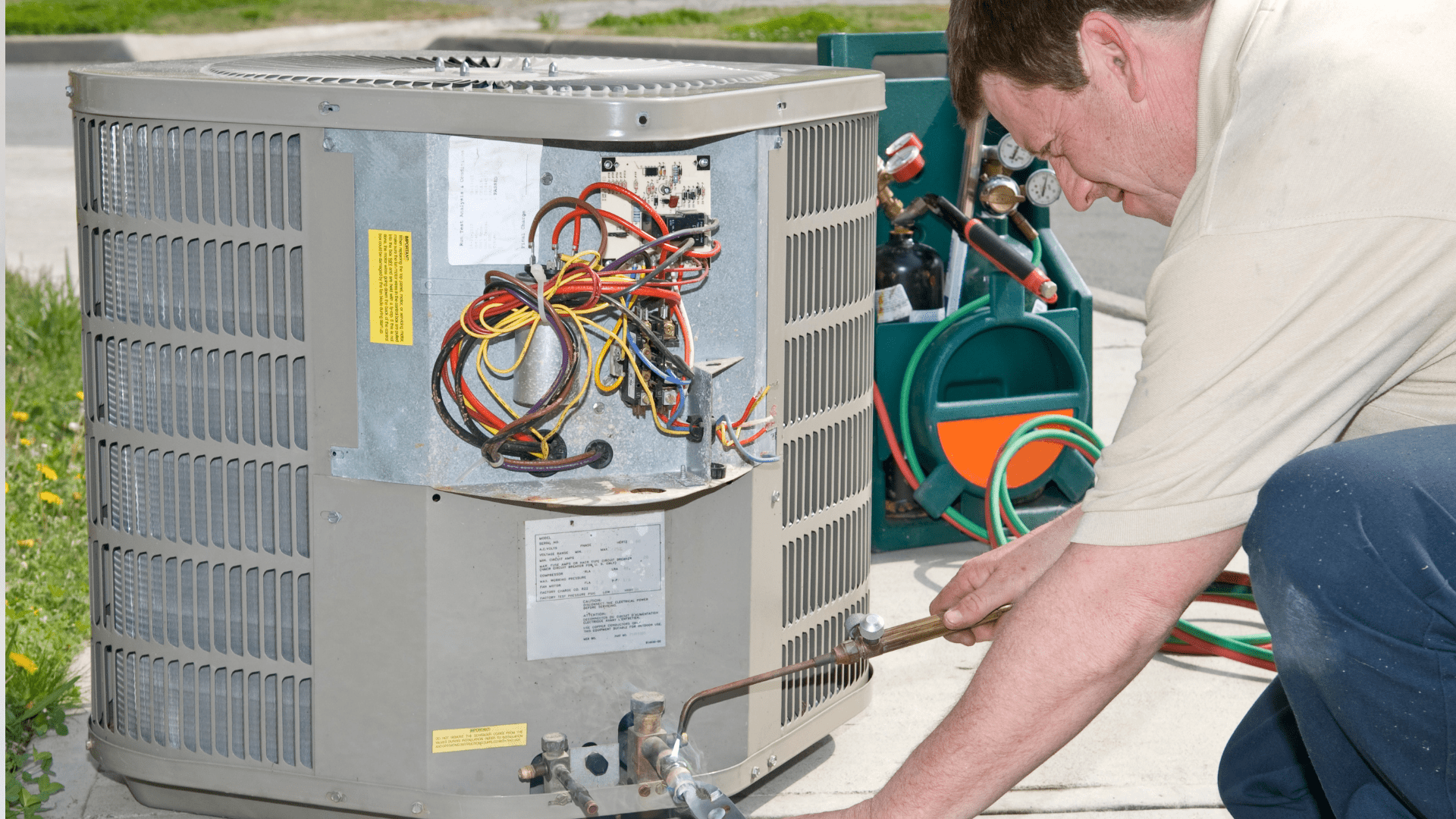
Florida’s commercial buildings move into their most demanding cooling season as soon as temperatures begin to rise. Systems that once handled cooling with ease now run longer cycles, produce uneven results, and consume more energy just to maintain basic comfort.
For many property owners, the challenge is knowing when ongoing repairs no longer make sense and when replacement is the more practical option. What once felt reliable can slowly become less predictable as summer approaches.
Coastal Climate Experts works with commercial spaces across Brevard County to help guide decisions before peak heat adds pressure to aging systems. Schedule a commercial HVAC assessment before summer demand makes planning upgrades or replacements more difficult.
How Florida Heat Pushes Commercial Systems Beyond Their Limits
Commercial HVAC systems in Florida rarely get a break during the cooling season. High temperatures, combined with constant humidity, force equipment to operate under near-continuous load. As conditions intensify, older systems often begin to show signs of strain.
Even when the equipment continues to run, performance often declines. Air may feel less consistent, cooling cycles may take longer, and energy use may increase without a clear reason. These gradual shifts often indicate that the system is nearing the end of its effective service life.
When property managers consider replacing commercial AC units, they often do so after noticing patterns of declining efficiency rather than sudden failures.
Age of the System as a Key Indicator
Age plays a major role in the performance of commercial HVAC systems. Most systems operate efficiently for a set number of years before components begin to wear out more quickly. In Florida’s climate, that timeline can shorten due to extended seasonal use.
As equipment ages, compressors, motors, and electrical components lose efficiency. Even with regular maintenance, older systems often require more energy to deliver the same level of cooling. This gradual decline makes it more difficult to maintain consistent comfort across office spaces.
As systems approach the later stages of their lifecycle, property owners often begin evaluating whether to replace the office AC unit rather than continue with frequent repairs.
Increasing Frequency of Repairs
One of the clearest signs that a system may no longer be cost-effective is the need for repeated repairs. While occasional service is expected, frequent breakdowns suggest that multiple components are wearing out at the same time.
Common repair patterns include:
- Compressor issues that return after short periods
- Electrical failures that affect system startup or operation
- Refrigerant leaks that require repeated service
- Fan motor replacements or recurring airflow problems
- Thermostat or control system inconsistencies
When these issues begin to stack up, repair costs can outweigh the value of continued maintenance. At that point, many property managers begin exploring long-term replacement options.
Rising Energy Costs Without Increased Usage
Energy consumption often provides early insight into changes in HVAC performance. When a building’s usage remains stable, but utility bills continue to rise, system efficiency is often to blame.
Older or struggling systems consume more energy to achieve the same cooling output. Compressors run longer, fans operate more frequently, and systems cycle more often to maintain temperature. These patterns place additional strain on equipment and increase operational costs.
Over time, inefficient systems can significantly impact monthly operating budgets, especially in commercial buildings that rely heavily on consistent cooling.
Uneven Cooling Across the Building
Commercial spaces rely on consistent airflow to maintain comfort throughout. When a system begins to struggle, temperature differences often appear between rooms or zones.
Some areas may feel properly cooled while others remain warm or inconsistent. This imbalance often points to reduced airflow, duct inefficiencies, or failing system components.
When cooling becomes uneven across the building, it often signals deeper performance issues that maintenance alone may not fully resolve.
Warning Signs That Replacement May Be Approaching
Commercial HVAC systems often provide clear indicators before they fail completely. Recognizing these signals helps property owners plan ahead rather than react during peak summer demand.
Common signs include:
- Frequent breakdowns or service calls
- Noticeable increase in energy bills
- Uneven cooling throughout office spaces
- Long cooling cycles with limited improvement
- Excessive noise or vibration from equipment
- Systems running continuously without reaching set temperatures
- Difficulty maintaining humidity control indoors
Each of these signs often indicates declining system performance, which becomes more noticeable under Florida’s summer conditions.
Repair Versus Replacement in Commercial Systems
Deciding whether to continue repairs or move forward with replacement depends on several factors. In many cases, systems that require constant service begin to lose long-term reliability.
Repairs may still provide short-term improvements, especially when issues are isolated. However, when multiple components begin to fail over time, replacement often provides a more stable long-term direction.
When businesses evaluate whether to replace their commercial AC Unit systems, they often consider overall performance, system age, and projected repair frequency over the coming years.
Key Considerations When Replacing a Commercial AC System
When evaluating replacement options, property owners often consider several key factors to ensure the new system meets the building’s needs.
System size and capacity
Proper sizing ensures the system can meet cooling demands without overworking or short-cycling.
Energy efficiency ratings
Modern systems often offer greater efficiency than older equipment, helping reduce long-term operating costs.
Zoning and airflow design
Improved zoning can help distribute cooling more evenly across larger or multi-level buildings.
Compatibility with existing infrastructure
New systems must integrate effectively with ductwork, controls, and electrical systems.
Maintenance requirements
Understanding ongoing service needs helps support long-term performance and reliability.
How Replacement Supports Long-Term Stability
Upgrading a commercial HVAC system often leads to more consistent performance across the building. Newer systems feature improved control technology, greater energy efficiency, and more precise temperature management.
They also reduce the frequency of emergency repairs, improving operational stability during peak cooling months. Over time, this allows property owners to focus more on building operations and less on system interruptions.
While every building has unique needs, replacement often offers a clearer path to long-term reliability as older systems begin to decline.
Preparing for Florida’s Hottest Months
As Florida approaches peak summer conditions, commercial HVAC systems face their highest level of demand. Systems that already show signs of strain may struggle to maintain consistent performance during this period.
Planning ahead allows property owners to evaluate system health, review repair history, and consider whether replacement offers a more sustainable long-term direction. Early action often leads to better outcomes during the most demanding months of the year.
Building Confidence in Commercial Cooling Decisions
Commercial HVAC systems play a central role in maintaining comfort, productivity, and operational stability. When performance begins to decline, recognizing the early signs helps guide more informed decisions about repair or replacement.
Coastal Climate Experts works with commercial property owners across Brevard County to evaluate system performance and support long-term planning for Florida’s demanding climate conditions.
Take the next step before peak heat arrives: schedule a commercial HVAC evaluation to determine whether it’s time to replace the commercial AC Unit and prepare your building for Florida’s hottest months.