Tips on Keeping Your Commercial Office Space Cool in Florida Summers
Florida summers push commercial buildings into long hours of cooling demand that many systems were not originally designed to handle. Office spaces often remain occupied during peak heat, which increases the internal load from lighting, equipment, and people.
Over time, that combination affects comfort, productivity, and operating costs in ways that become harder to ignore. Improving HVAC performance during these months creates a more stable environment in which temperature swings feel less noticeable, and systems run with less strain.
Businesses that understand how airflow, maintenance, and usage patterns interact often avoid unnecessary interruptions and maintain more consistent workspaces. Schedule a commercial HVAC assessment before peak summer demand increases across your area.
Start With a Strong Cooling Foundation Before Peak Heat Arrives
Commercial buildings rely on consistent system performance to maintain indoor comfort during extended cooling seasons. Florida’s humidity and heat put steady pressure on equipment, especially during afternoon peaks when systems are already at capacity.
Planning ahead helps reduce unnecessary stress on aging components. Coastal Climate Experts supports commercial property owners across Brevard County with strategies built around real Florida conditions.
Understand How Commercial Spaces Lose Cooling Efficiency
Office buildings rarely lose comfort from a single issue. Instead, multiple small factors combine over time, gradually reducing HVAC efficiency during Florida’s summers. Heat gain from windows, constant door traffic, and uneven airflow often create temperature differences between rooms and floors.
Common contributors include:
- Poor airflow distribution through duct systems
- Overworked rooftop units running longer cycles
- Heat infiltration from windows and entry points
- Internal heat from computers, printers, and lighting
- Inconsistent thermostat placement across zones
Each factor alone may seem minor, but together they force HVAC systems to run longer while delivering less noticeable cooling. That extended runtime increases wear and reduces overall stability across the building.
Strengthen Cooling Performance Through Smart Operational Habits
Small changes in daily operations often improve outcomes more than expected. Office environments generate constant internal heat, so managing how a space operates plays a major role in maintaining balance.
Key adjustments such as:
- Closing blinds during peak sunlight hours to reduce solar heat gain
- Limiting unnecessary equipment operation in unused rooms
- Keeping doors closed between conditioned and non-conditioned spaces
- Encouraging employees to report uneven temperatures early
- Scheduling peak usage equipment, like printers, in cooler zones when possible
These adjustments help reduce load on the system and allow equipment to cycle more efficiently throughout the day.
Prioritize Airflow Balance Across the Entire Building
Airflow determines how effectively cooled air reaches occupied spaces. Many commercial buildings develop uneven temperatures because certain zones receive more airflow than others. Over time, that imbalance creates hot and cold spots, reducing comfort and efficiency.
Balanced airflow depends on a combination of clean vents, properly sealed ductwork, and return pathways that allow air to circulate freely. When filters become clogged or ducts develop leaks, the system loses pressure and struggles to deliver consistent cooling throughout the system. This often leads to overcompensation, where the HVAC system runs longer to achieve the same result, increasing energy use and equipment strain.
Focus on Maintenance Before Equipment Starts Struggling
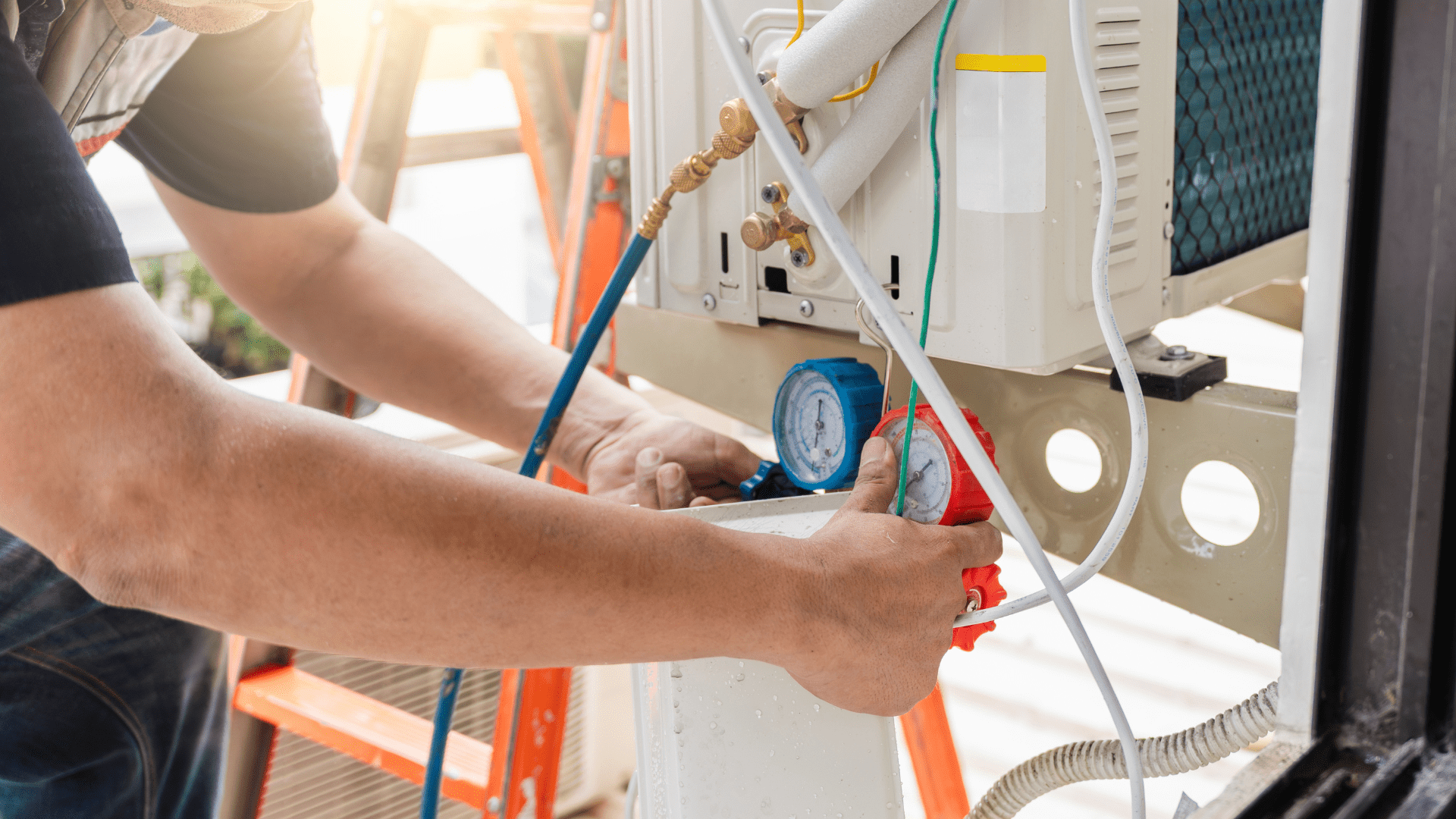
Commercial HVAC systems operate under long-run cycles during Florida summers. Without routine maintenance, small issues like clogged coils or low refrigerant levels can escalate into performance limitations.
Regular service checks often include:
- Cleaning evaporator and condenser coils
- Inspecting refrigerant levels and system pressure
- Checking electrical connections and control systems
- Verifying thermostat accuracy across zones
- Replacing or cleaning filters to maintain airflow
These steps help reduce unnecessary strain and support a longer system lifespan while maintaining more stable indoor conditions.
Adjust Thermostat Strategy for Commercial Demand Patterns
Thermostats play a major role in controlling HVAC performance across large office spaces. Many buildings still rely on static temperature settings that do not reflect occupancy changes or daily heat fluctuations.
Smarter thermostat strategies account for how a building actually operates. Raising setpoints slightly during low-occupancy hours, using programmable schedules, and regularly reviewing calibration can all help reduce unnecessary system runtime. In multi-zone buildings, zoning controls add another layer of precision by allowing different areas to be cooled based on actual use rather than a single building-wide setting.
Improve Building Insulation and Heat Protection
Even a well-maintained HVAC system can struggle when a building allows excessive heat transfer. Florida’s sunlight and humidity can quickly raise indoor temperatures when insulation, sealing, or window protection is inadequate.
Windows, doors, roofs, and ductwork all contribute to the amount of heat entering a commercial space. Older buildings often experience greater heat gain simply because their seals are worn or their insulation is outdated. Addressing these areas reduces the workload on the HVAC system and helps maintain more consistent indoor temperatures throughout the day.
Recognize Early Signs of System Strain
Commercial HVAC systems often show early warning signs before major performance issues develop. Identifying these signals early helps prevent larger disruptions during peak summer months.
Common indicators include:
- Uneven cooling between office zones
- Rising energy usage without increased occupancy
- Longer system run times to reach set temperatures
- Frequent thermostat adjustments by staff
- Unusual noise or vibration from rooftop units
Addressing these signs early helps maintain more stable performance throughout the season.
Plan for Long-Term Efficiency Improvements
Short-term adjustments help stabilize comfort, but long-term efficiency comes from system planning and upgrades. Many commercial buildings in Florida benefit from phased improvements that enhance HVAC efficiency during periods of peak summer demand.
Common long-term strategies include:
- Upgrading to high-efficiency rooftop units
- Implementing zoning systems for better control
- Installing smart thermostats with remote monitoring
- Improving duct design for balanced airflow
- Evaluating system capacity based on current occupancy needs
These improvements help align system performance with modern building usage patterns.
Staying Ahead of Commercial Cooling Demand
Commercial office cooling in Florida requires more than reactive adjustments. It depends on consistent airflow, proactive maintenance, and smart operational habits that reduce strain during peak heat periods.
When these factors work together, indoor environments stay more stable even during long summer cycles. Coastal Climate Experts works with commercial property owners to support HVAC performance across demanding Florida conditions.
A well-maintained system helps reduce disruption, improve comfort consistency, and support long-term building efficiency throughout the hottest months of the year. Plan your commercial HVAC strategy now to stay ahead of Florida summer demand and keep your building operating at its best.