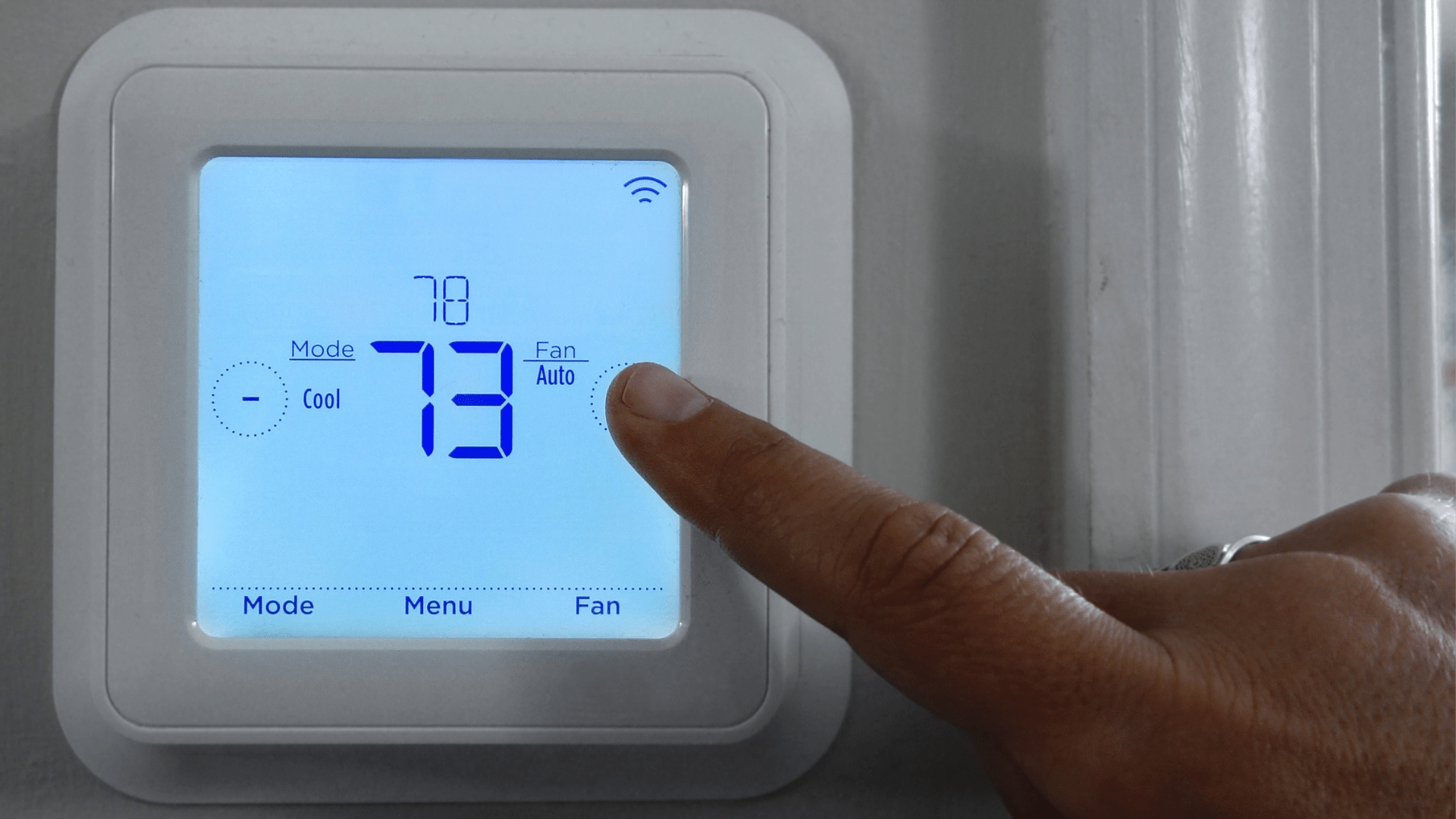
Your air conditioner runs frequently, the temperature reaches the set point, but your energy bills keep climbing, and some rooms never feel quite right. Many Florida homeowners unknowingly create patterns that overwork their AC.
Coastal Climate Experts help identify these thermostat habits that overwork your AC and show homeowners how to stabilize comfort, reduce strain, and optimize performance. Understanding how thermostat behavior affects your system can help reduce wear and keep indoor temperatures consistent.
A few adjustments or a smart thermostat can make a noticeable difference without major equipment changes. Ask about the thermostat and system performance to see how your home’s setup can work more efficiently.
Why Thermostat Habits Matter
Thermostat settings directly influence how long your AC runs and how often it cycles on and off. Small habits, like constantly adjusting the temperature or setting extreme values, can cause short cycling, longer runtime, and unnecessary energy use.
AC running too long due to thermostat settings can also increase wear on components, reduce humidity control, and lead to uneven temperatures across different rooms. Taking a step back to understand patterns and behavior helps you plan for better performance without guessing.
Common Thermostat Habits That Overwork Your AC
Homeowners often create situations that stress their systems without knowing it. Some of the most common habits include:
- Frequently adjusting the set temperature for comfort swings
- Setting the thermostat much lower than needed during hot days
- Ignoring recommended fan settings and leaving the fan on constantly
- Using older, non-programmable thermostats that lack efficiency controls
Recognizing these habits is the first step toward better indoor comfort and lower energy use.
How Runtime Impacts Your System
When an AC runs longer than necessary, it increases energy consumption and may reduce system life over time. Excess runtime can also reduce the system’s ability to remove humidity efficiently, leaving the home feeling sticky even when it is cool.
A properly evaluated HVAC system paired with the right thermostat can maintain steady temperatures, balance airflow, and support indoor humidity control. Coastal Climate experts recommend pairing performance evaluation with thermostat best practices to understand how each home’s unique layout and usage patterns affect efficiency.
Best Practices for Thermostat Use
Applying a few intentional changes can help systems operate more efficiently and reduce unnecessary wear and tear. Key practices include:
- Keep the thermostat at a consistent, moderate temperature throughout the day
- Program temperature setbacks for times when the home is unoccupied
- Use a fan setting that supports airflow without running continuously
- Minimize frequent manual adjustments to allow the system to stabilize
Following these habits allows the AC to run at optimal intervals and prevents short cycling that can increase wear and energy costs.
Advanced Solutions With Smart Thermostats
For homeowners seeking greater control, smart thermostats offer adaptive scheduling and real-time monitoring. These systems learn daily routines and adjust temperatures to maximize efficiency while maintaining comfort.
Smart thermostats can also provide data to support an HVAC efficiency check that Florida homeowners rely on to make informed decisions about system upgrades or adjustments. When paired with professional evaluation, smart technology supports longer equipment life and more stable indoor conditions.
How Airflow and Home Layout Affect Thermostat Performance

Even with good thermostat habits, poor airflow or home layout issues can reduce AC effectiveness. Rooms far from the thermostat may not reach the set temperature, prompting repeated adjustments that overwork the system.
Technicians can evaluate:
- Return and supply vent placement and balance.
- Ductwork conditions and insulation
- Differences in temperature across rooms
- Fan operation and circulation efficiency
Identifying these factors ensures that thermostat behavior aligns with system design and performance goals.
When to Consider a Performance Evaluation
If your AC cycles on and off frequently, your bills keep rising, or the humidity feels high despite the set temperature, a professional check can reveal hidden causes. Coastal Climate Experts examine system performance, ductwork, and thermostat settings to identify patterns that may overwork your AC.
During an AC performance evaluation, homeowners receive actionable insights, including:
- Adjustments to thermostat programming for better runtime
- Recommendations for smart thermostat installation
- Identification of airflow or ductwork issues affecting comfort
These evaluations help homeowners make informed choices about upgrades or adjustments without guessing.
Long-Term Benefits of Optimized Thermostat Use
Maintaining proper thermostat habits supports long-term comfort and reduces unnecessary wear and tear. Homes experience:
- Steadier indoor temperatures across all rooms
- Improved humidity control and air quality
- Reduced runtime that can extend system life
- Potential energy savings without major equipment changes
By combining good habits with professional guidance, homeowners gain confidence in their system’s operation and can plan upgrades more effectively.
Take Control of Your AC Performance
Thermostat habits that overwork your AC can quietly raise energy bills, reduce comfort, and strain your system. Understanding how settings, runtime, airflow, and home layout interact allows homeowners to stabilize comfort, support indoor air quality, and extend equipment performance.
Whether through simple habit changes or a smart thermostat paired with a professional HVAC efficiency check in Florida, Coastal Climate Experts help you get the most from your cooling system. If you want to see how your system performs and identify ways to reduce unnecessary strain, ask about thermostat and system performance today.