In Florida’s relentless heat, your air conditioning system isn’t just about comfort but survival. But when your system runs inefficiently, the consequences go far beyond uneven temperatures. Wasted energy, sky-high bills, and overworked equipment all point to a common issue: poor AC efficiency.
Understanding the key factors that impact AC efficiency can benefit homeowners and business owners alike. With the right knowledge and maintenance, you can reduce operating costs, boost indoor comfort, and extend the life of your system.
Why AC Efficiency Matters
High AC efficiency means more cooling for less energy. Efficient systems reduce strain on your utility bill, improve humidity control, and ensure that every room stays evenly cooled. When efficiency drops, your system works harder, burns more electricity, and wears down faster.
Aging Systems Decrease AC Efficiency
Older systems naturally lose efficiency over time. Air conditioners over 10–15 years old often rely on outdated technology and suffer from worn-out parts. Even if they’re still operational, they likely have lower SEER (Seasonal Energy Efficiency Ratio) ratings and consume significantly more energy than modern units.
Signs of declining AC efficiency in older systems include:
- Longer cooling cycles
- Uneven temperatures
- Frequent breakdowns
- Higher monthly energy bills
If your system is nearing retirement age, replacing it with a modern, high-efficiency model could lead to immediate savings and better performance.
Routine Maintenance Boosts AC Efficiency
Dust, debris, and wear and tear can seriously undermine performance. A neglected system runs harder to deliver the same results, wasting energy.
Routine maintenance tasks that directly affect AC efficiency include:
- Replacing filters monthly or quarterly
- Cleaning condenser and evaporator coils
- Checking and sealing ductwork
- Calibrating the thermostat
- Lubricating moving parts
Regular tune-ups by a qualified HVAC technician ensure your system stays clean, balanced, and properly charged—three key factors for maintaining peak AC efficiency.
Thermostat Habits Can Hurt or Help AC Efficiency
Temperature settings and usage patterns play a big role in overall efficiency. Constant adjustments or setting the thermostat too low cause the system to overwork, increasing wear and power consumption.
Helpful tips for improving AC efficiency through more innovative thermostat use:
- Set temperatures around 78°F when home, and higher when away
- Use programmable or smart thermostats to automate temperature changes
- Avoid frequent manual changes, which lead to short-cycling
- Pair cooling with ceiling fans to allow for higher settings without sacrificing comfort
Small changes in thermostat usage can translate to significant improvements in AC efficiency.
Ductwork Design and Condition Impacts AC Efficiency
Ductwork is the delivery system for cooled air in central air systems. Poorly designed, leaking, or dirty ducts waste energy and reduce AC efficiency by up to 30%.
Common duct-related issues that compromise efficiency:
- Leaks that let cooled air escape into attics or crawl spaces
- Blockages that restrict airflow
- Improper sizing that leads to inconsistent temperatures
- Poor insulation that allows heat intrusion
Sealing leaks, insulating ducts, and optimizing layout ensure your system delivers cooled air without unnecessary energy loss.
 Insulation and Building Envelope Play a Crucial Role
A tightly sealed home or commercial space helps trap cooled air and keep out hot, humid outdoor air. Without proper insulation and sealing, your system will work overtime to maintain indoor temperatures, cutting into AC efficiency.
Improvements that enhance your building envelope include:
- Adding attic and wall insulation
- Sealing windows, doors, and vents
- Using energy-efficient windows and reflective roofing materials
- Installing vapor barriers in crawlspaces or basements
Together, these upgrades reduce energy loss and allow your AC to run less frequently, preserving AC efficiency even in extreme conditions.
Oversized or Undersized Units Reduce AC Efficiency
Correct sizing is one of the most critical aspects of system design. Many assume a larger AC unit is better, but an oversized system short-cycles, cooling the air quickly without removing enough humidity. On the other hand, an undersized system runs continuously and still struggles to reach the set temperature.
Both scenarios waste energy and compromise AC efficiency.
Proper system sizing takes into account:
- Square footage
- Ceiling height
- Number of windows and doors
- Insulation levels
- Occupant behavior and heat-producing appliances
Work with a professional who performs Manual J load calculations to ensure your system is the right size for your space.
Advanced Technology Leads to Greater AC Efficiency
Not all systems are created equal. Technological advancements over the last decade have made newer units far more efficient.
Features that improve AC efficiency include:
- Variable-speed compressors that adjust cooling output in real time
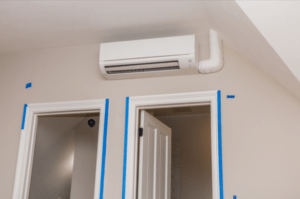
- Ductless mini-split systems that eliminate energy loss from ductwork
- Zoned cooling systems that tailor temperatures to specific areas
- Geothermal heat pumps that tap into stable underground temperatures
While the upfront investment may be higher, advanced systems often pay for themselves in terms of energy savings and long-term durability.
Dirty Filters, Coils, and Condensate Lines Sap AC Efficiency
Airflow restrictions are one of the leading causes of poor AC efficiency. Clogged filters and dirty coils prevent the system from circulating cool air properly, forcing it to work harder and use more power.
Filter and coil care tips:
- Change air filters monthly during peak cooling season
- Clean indoor and outdoor coils annually
- Clear blocked condensate lines to prevent water damage and mildew
- Maintain proper clearance around outdoor units
Simple tasks like these can significantly restore lost AC efficiency and improve indoor air quality simultaneously.
 Local Climate and Utility Rates Affect Overall Efficiency
In hot, humid areas like Florida, your system runs for more hours per day than in cooler regions. That makes AC efficiency even more critical for controlling energy costs.
Additionally, local electricity rates, available rebates, and peak hour pricing can influence your system choice and how you use it.
To get the best performance, consider:
- Upgrading to a system designed for high-humidity climates
- Installing smart thermostats that adapt to utility rate schedules
- Exploring solar options or dual-fuel systems for long-term savings
A locally informed approach helps maximize AC efficiency based on the unique conditions of your region.
Maximize AC Efficiency with Coastal Climate Experts
Poor AC efficiency leads to high energy bills, inconsistent comfort, and faster system breakdowns. But with the right strategies—from regular maintenance and proper sizing to system upgrades and insulation improvements—you can take control of your energy use and enjoy a consistently cool, comfortable space.
Whether you manage a commercial building or want to optimize your home’s comfort, Coastal Climate Experts is your trusted partner. Our team specializes in diagnosing and improving AC efficiency for clients across Florida. From maintenance plans and energy audits to full system installations, we deliver results that keep you cool while saving you money.
Let us help you transform your cooling system into a model of efficiency. Contact Coastal Climate Experts today and experience the power of precision-engineered AC efficiency.