Emergency HVAC Troubleshooting Tips for Florida Homes
When your HVAC system suddenly stops cooling, blows warm air, or makes strange noises, discomfort escalates quickly in Florida’s heat and humidity. A warm home becomes sticky within minutes; the air gets heavy, and moisture begins to settle in places you cannot see. These issues affect comfort, health, and the long-term condition of your home.
This guide gives you quick steps to try before help arrives, along with clear signs that mean you should request service immediately. Knowing how to respond on a mild morning or a humid 90-degree afternoon can prevent costly repairs.
At Coastal Climate Experts, we help homeowners across Brevard County manage sudden cooling failures, airflow issues, and moisture problems every day. Our team provides fast emergency response throughout Melbourne, Palm Bay, Rockledge, Satellite Beach, and Merritt Island, with same-day repairs, stocked vehicles, and clear communication to keep your home protected.
Quick steps to protect your comfort, prevent damage, and know when to call a professional. Need fast help? Schedule emergency HVAC service.
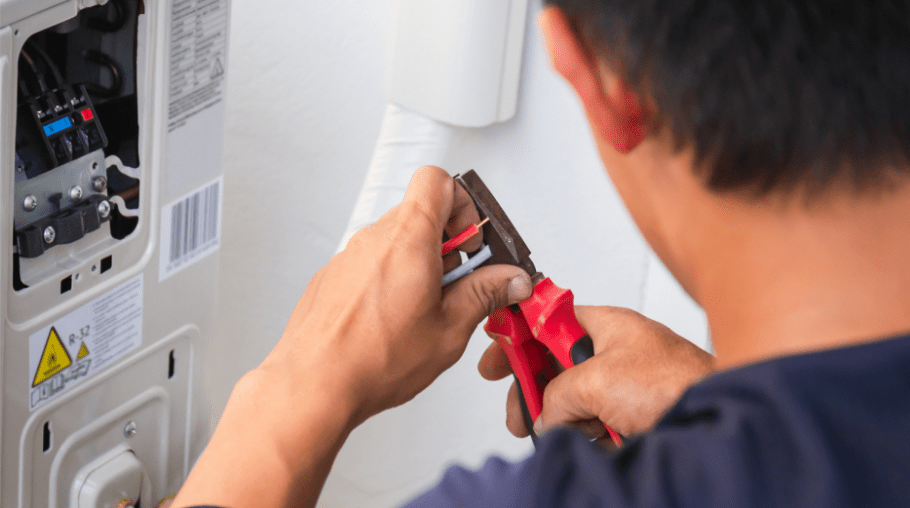
Start Here: 6 Steps Every Florida Homeowner Should Take First
Before assuming the system has failed, a few simple checks often reveal an easy fix. These six steps won’t solve major issues, but they may restore basic function long enough to keep your home comfortable until a technician arrives.
1. Confirm the thermostat is set correctly
Florida’s winter swings can confuse thermostats.
Check for:
- Thermostat set to Cool, not Fan
- The temperature is set several degrees lower than the room temperature
- Loose batteries or low-battery warnings
- WiFi-connected thermostats showing error codes or offline status
Sometimes a thermostat needs to reset. Please remove it from the wall base for 20 seconds, then snap it back in.
2. Check the air filter
A clogged air filter is one of the top causes of:
- Weak airflow
- Frozen coils
- High humidity indoors
- Warm air blowing from vents
If the filter looks gray, dusty, or sagging, replace it immediately. Florida homes should replace filters every 30 to 45 days due to constant AC use and humidity.
3. Inspect the breaker panel
HVAC systems draw a lot of power. A tripped breaker can shut everything down.
If the AC breaker is in the middle position, flip it entirely off, then turn it back on.
Never force a breaker that keeps tripping. This signals a serious electrical issue.
4. Check for ice on the outdoor unit or refrigerant lines
Ice can form in Florida even during warm weather because high humidity triggers coil freeze.
If you see ice:
- Turn the system off
- Turn the thermostat fan to On
- Let the ice melt before restarting
Running an iced unit can burn out the compressor.
5. Make sure the outdoor unit has airflow
Florida landscaping grows fast. If shrubs or debris block your outdoor unit, the system overheats. Clear a 2-foot space around the condenser. Remove leaves, palm fronds, mulch, or storm debris.
If the Fan isn’t spinning, do not try to start it manually.
6. Look for standing water or clogged drain lines
High humidity often causes drain line backups.
If you see:
- Water around the indoor air handler
- Water dripping from ceiling air vents
- A full drain pan
Turn the system off. A clogged drain can trigger water damage, mold growth, and ceiling sagging.
When These DIY Steps Help and When They Don’t
Basic troubleshooting can provide temporary relief, but recurring issues often indicate a deeper system problem. If any of the following symptoms persist after you try the steps above, it’s time to seek professional service.
- Airflow stays weak
- Ice returns after melting
- The system turns on but never cools
- Breaker flips multiple times
- Outdoor Fan stays off
- The thermostat shows repeated error messages
- Odors continue
- Indoor humidity stays high
Ignoring these signs leads to more costly repairs, including compressor failure. Florida humidity accelerates the damage, especially in coastal areas like Satellite Beach and Merritt Island.
Florida Homes Heat Up Fast When AC Stops Working

In most parts of the country, losing AC means discomfort. In Florida, it means rising humidity, stagnant air, and conditions that can feel unbearable within hours. This affects sleep, indoor air quality, vulnerable family members, and the moisture levels inside your home.
Common problems homeowners experience during a sudden AC failure include:
- Rooms feel sticky or heavy
- Windows fogging
- Musty odors
- Overnight temperature spikes
- Restless sleep
- Fast moisture buildup in closets or bathrooms
These issues appear quickly because Florida’s outdoor humidity tries to move into your home the moment cooling stops.
A Safe, Comfortable Home Protected From Heat and Moisture
A reliable HVAC system keeps your home stable during weather swings. Consistent airflow, balanced humidity, and steady cooling keep your family comfortable and protect your home from moisture and mold growth.
When your system works properly, you enjoy:
- Cool, breathable air
- Lower indoor humidity
- Fresh, clean-smelling rooms
- Better sleep
- Fewer allergens in the air
- Less energy waste
- Reduced strain on your equipment
Comfort becomes dependable instead of unpredictable. Troubleshooting early helps preserve that stability when unexpected failures happen, and our team at Coastal Climate Experts can support you with fast diagnostics, reliable repairs, and preventive care that keeps your system protected through every season.
Take Action Based on the Symptoms You See
Every HVAC failure shows clues. Below are the most common emergency symptoms in Florida homes, what they mean, and what to do about them.
Warm Air Blowing From Vents
Likely causes:
- Frozen coils
- Refrigerant leak
- Faulty thermostat
- Clogged filter
- Outdoor unit failure
Immediate action:
Turn off cooling, set the Fan to On, and call for service if the air does not cool within 30 minutes.
High Indoor Humidity
Likely causes:
- Oversized system
- Blocked airflow
- Failing blower motor
- Dirty coils
Immediate action:
Run the bathroom fans, replace the filters, and check the vents if humidity remains above 60 percent. Request service.
Burning or Electrical Smells
Likely causes:
- Overheated components
- Wiring issues
- Motor failure
Immediate action:
Turn off the HVAC system and call a technician immediately.
System Keeps Turning On and Off (Short Cycling)
Likely causes:
- Thermostat problems
- Refrigerant imbalance
- Drain issues
- Electrical faults
Immediate action:
Turn the system off for 10 minutes. If cycling resumes, professional repair is needed.
Unusual Noises: Banging, Buzzing, Grinding
Likely causes:
- Loose parts
- Failing motor
- Compressor issues
- Fan obstruction
Immediate action:
Stop the system. Strange noises signal active damage.
Water Leaks or Wet Ceilings
Likely causes:
- Clogged drain
- Overflowing pan
- Frozen coils
Immediate action:
Shut off the unit to prevent more water damage.
When to Call a Professional Immediately
Call for emergency repair if you notice:
- No cooling at all
- Repeated breaker trips
- Electrical burning smells
- Frozen coils that refreeze
- Water leaking from vents or the ceiling
- High humidity that stays above 60 percent
- Loud grinding or buzzing
- AC won’t turn on
Florida’s humidity makes minor HVAC problems escalate much faster than in other climates. Waiting often leads to expensive damage.
Local Help for Quick, Reliable Repairs
At Coastal Climate Experts, our team is trained for fast emergency response. We service Melbourne, Palm Bay, Rockledge, Satellite Beach, Merritt Island, and all of Brevard County with:
- Same-day emergency repairs
- Fully stocked service vehicles
- Honest, clear communication
- Skilled technicians familiar with Florida systems and climate
- Long-lasting solutions that prevent repeat failures
Emergency issues do not wait, and neither should your service.
Request emergency HVAC repair for your Florida home.