How Is the 2026 Hurricane Season Going? Why Now Is a Good Time to Check Your AC
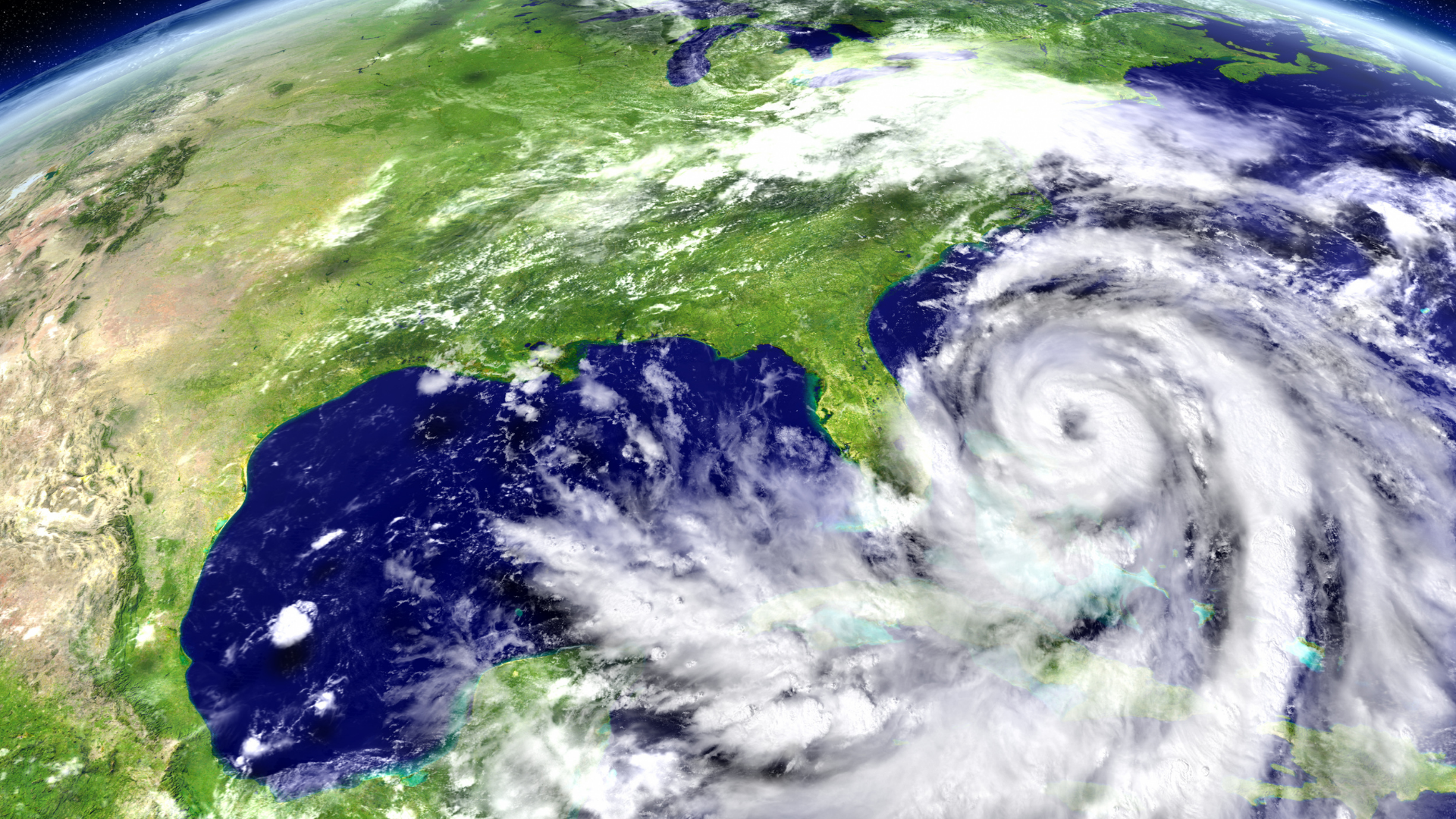
Florida homeowners know hurricane season doesn’t always follow a predictable schedule. As September begins, the 2026 Atlantic hurricane season has produced several named storms, but none has developed into a hurricane so far. The National Hurricane Center reports four named storms through August 31, with the most recent being Tropical Storm Dolly.
The relatively quiet start may make it easy to put hurricane preparation on the back burner. However, hurricane season continues through November 30.
For Florida homeowners, the middle of the season offers a practical opportunity to check the systems that help keep the home comfortable. Your AC has already worked through months of heat and humidity, while electrical components have faced the demands of frequent operation.
A professional AC maintenance visit or AC surge protection maintenance check can help you understand the condition of your system before the next storm arrives. Contact Coastal Climate Experts to schedule a seasonal HVAC check.
A Quiet Hurricane Season Still Calls for Preparation
A hurricane-free Atlantic does not mean homeowners should stop paying attention.
NOAA’s August outlook continues to place the 2026 season below normal overall, with a 75% chance of a below-normal season. The forecast calls for 7 to 13 named storms, 2 to 6 hurricanes, and 0 to 2 major hurricanes. NOAA also emphasizes that seasonal forecasts cannot determine whether a particular location will experience a storm or hurricane landfall.
That distinction matters for Brevard County homeowners.
A seasonal outlook describes overall activity. It does not tell you what will happen in Melbourne, Palm Bay, Rockledge, Merritt Island, or another Space Coast community.
Rather than waiting for a storm to approach, homeowners can use the middle of hurricane season as a reminder to review their HVAC maintenance and electrical protection.
Your AC Has Already Worked Through Months of Florida Heat
By late summer, your air conditioner has spent months managing high temperatures and humidity.
Long cooling cycles can place continued demand on components such as the compressor, fan motors, electrical connections, and condensate system. A system that seemed to operate normally in June may show different symptoms after months of continuous use.
Look for signs that your AC may need professional attention, including:
- Longer cooling cycles
- Uneven temperatures between rooms
- Weak airflow from vents
- Unusual sounds during startup or operation
- Water around the indoor unit
- Frequent thermostat adjustments
- Higher energy use without an obvious explanation
- A system that struggles to manage indoor humidity
These signs do not automatically mean your system needs a major repair or replacement. They can indicate that an AC tune-up or professional evaluation makes sense.
A maintenance visit gives a technician an opportunity to inspect the system and identify components that may need cleaning, adjustment, or further attention.
Why Surge Protection Matters During Storm Season
Storm preparation often focuses on windows, doors, landscaping, generators, and emergency supplies. Homeowners should also think about what happens to electrical equipment when severe weather affects the power supply.
Power interruptions can challenge HVAC equipment. When electrical service returns, voltage fluctuations or surges can affect sensitive components within an air conditioning system.
An HVAC surge protector provides an additional layer of electrical protection for the equipment. However, homeowners should not assume that a surge protector installed years ago still provides the same level of protection without inspection.
A professional AC surge protection maintenance check can help determine whether your existing protection still fits your system.
Has Your Surge Protection Been Checked Recently?
If you cannot remember when someone last inspected your HVAC surge protection, hurricane season provides a good reason to check.
Consider scheduling an evaluation if:
- You recently experienced a power outage
- Your home has experienced electrical surges
- Your AC system has undergone electrical repairs
- Your surge protector has been installed for several years
- You recently replaced your HVAC system
- You are unsure whether your AC has dedicated surge protection
- You want to review your home’s storm preparation plan
A technician can inspect the equipment and explain what protection your system currently has.
The goal is to understand your setup, not assume you need to replace something.
Give Your Outdoor AC Unit a Quick Check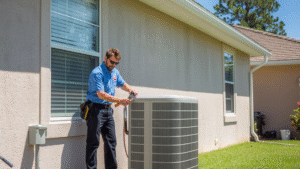
Your outdoor condenser sits exposed to Florida’s weather throughout the year.
Before the next storm system develops, walk around the outdoor unit and look for obvious issues. Keep plants, leaves, branches, and other debris away from the equipment.
Also look for loose objects near the condenser that could move during strong winds.
Avoid attempting electrical repairs or moving damaged equipment yourself. If you notice physical damage, exposed wiring, unusual corrosion, or other concerns, contact an emergency line for an evaluation.
Keeping the area around the outdoor unit clear also helps technicians access the equipment during maintenance or service visits.
Do Not Wait for a Storm Forecast to Check Your System
Many homeowners start hurricane preparation after forecasters identify a storm.
By that point, HVAC companies and other service providers may receive a higher volume of calls. Scheduling routine maintenance before a storm enters the forecast gives you more time to address ordinary HVAC concerns without the pressure of an approaching weather system.
A seasonal inspection can include areas such as:
- Electrical connections
- Capacitor condition
- Airflow
- Filters
- Refrigerant levels
- Condensate drainage
- Coils
- Thermostat operation
- Outdoor equipment
- Surge protection
Your technician can explain any findings and help you determine which items need attention.
Florida Hurricane Preparation Goes Beyond the AC
Your HVAC system represents only one part of hurricane preparation.
Homeowners should also maintain a broader storm-readiness plan. Keep emergency supplies available and follow guidance from local officials and trusted weather agencies.
For your HVAC system, consider keeping a short checklist available before storm season becomes more active.
HVAC hurricane preparation checklist
- Schedule an AC maintenance visit
- Inspect your outdoor condenser area
- Check your air filter
- Review your surge protection
- Confirm your thermostat operates properly
- Know how to shut off HVAC equipment safely if instructed
- Keep important HVAC service information accessible
- Monitor official weather updates
- Avoid operating damaged equipment after a storm
- Schedule a professional inspection if your system shows signs of damage
Preparation does not need to feel complicated. A few routine checks can help you better understand the condition of your home’s cooling system.
Coastal Climate Experts Helps Brevard Homeowners Stay Prepared
Coastal Climate Experts serves homeowners throughout Brevard County with HVAC maintenance, repairs, installations, and system evaluations.
Florida’s heat places significant demand on air conditioning equipment, and hurricane season adds another reason to pay attention to electrical protection and system condition.
Our team can inspect your AC, review your current maintenance needs, and evaluate your existing surge protection. If we identify an issue, we can explain the available options so you can make an informed decision about your home.
You do not need to wait until a storm appears on the forecast to take a closer look at your HVAC system.
Stay Observant Through the Rest of Hurricane Season
Use the rest of the season as a reminder to check the equipment you rely on every day. A professional AC maintenance appointment can help you understand how your system has handled the summer, while an AC surge protection maintenance check can help you review the electrical protection connected to your HVAC equipment.
Keep watching the forecast, keep your household prepared, and give your AC the attention it needs before the next storm becomes a concern. Contact Coastal Climate Experts to schedule an HVAC maintenance or surge protection check for your Brevard County home.