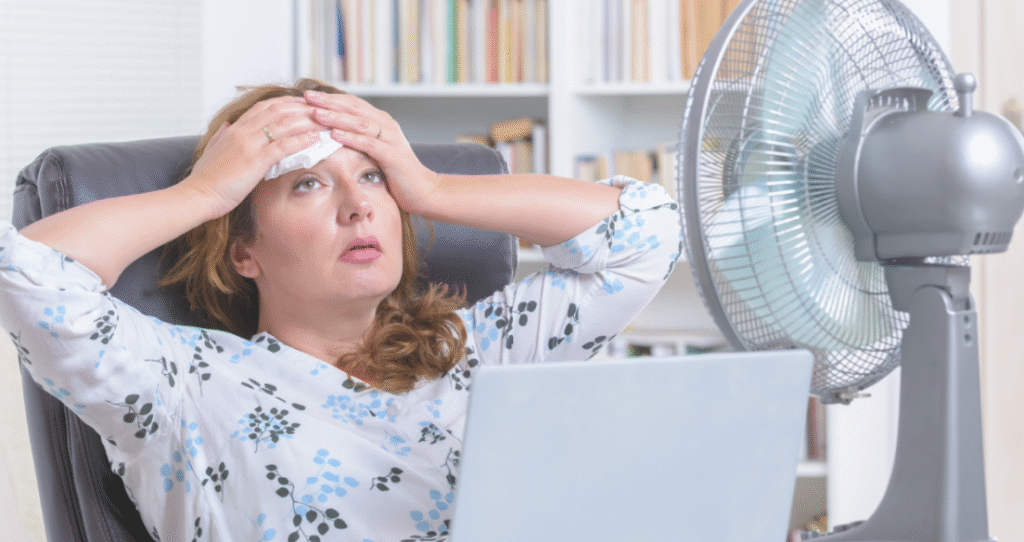
Florida summers place an incredible amount of stress on residential cooling systems as humidity rises and temperatures soar past ninety degrees. These extreme conditions often lead to mechanical hurdles, such as frozen evaporator coils or failed capacitors at the most inconvenient times.
Our team identifies the root cause of frequent problems to determine whether a simple adjustment or a more complex AC repair is required in Brevard County, FL. By addressing these hidden issues early, we ensure your cooling equipment operates with maximum reliability and efficiency.
Investing in a professional diagnostic visit provides the peace of mind that comes with a healthy, dependable HVAC system. Restore your home comfort and protect your family from the heat by with our experts today.
1. Cooling System Fails to Power On
Discovering that your air conditioner will not start during a heat wave is stressful. Before assuming the worst, check the thermostat to ensure it has fresh batteries and is set to the correct cooling setting. Older thermostat models frequently develop loose internal connections that prevent the signal from reaching the outdoor unit. If the interface appears functional, inspect your electrical panel to see if a circuit breaker has tripped.
High demand during a Florida afternoon can occasionally overload a circuit, requiring a simple manual reset. You should also verify that the outdoor disconnect switch remains in the on position and that no debris blocks the airflow around the condenser. If these basic checks do not resolve the issue, a professional technician must evaluate the internal electrical components to find the source of the failure.
2. Airflow Is Present But Not Cold
If your vents blow lukewarm air, a clogged air filter is the most likely culprit. A clogged filter chokes the system, forcing the motor to work significantly harder while reducing the overall cooling capacity. We recommend that homeowners replace their filters every 30 days to maintain HVAC performance in high temperatures and protect the internal components.
Another common cause for a lack of cold air involves a frozen evaporator coil. This icing typically occurs due to restricted airflow or low refrigerant levels within the system. When the coil becomes too cold, it turns condensation into ice, which eventually blocks all cooling transfer. Turning the system off and allowing it to thaw is a temporary measure, but a professional should inspect the unit to prevent the ice from returning.
3. Detecting a Refrigerant Leak
A cooling system that leaks refrigerant will eventually become less efficient and cause uneven cooling throughout the home. These leaks often stem from eroded copper tubing or weakened joints due to the corrosive salt air near the Florida coast. Signs of a leak include hissing sounds near the unit or a noticeable spike in monthly power consumption.
Operating a unit with low refrigerant levels can damage the compressor, which is a very expensive part to replace. If you suspect a leak, you should consult an expert who can perform a pressure test and seal the breach. It is also wise to check your equipment warranty, as some leaks result from manufacturing defects that might qualify for a subsidized repair.
4. Unusual Noises Coming from the Unit
Modern air conditioners should operate with a consistent, low hum. If you hear a loud rattling or clattering, a mechanical part may have shaken loose inside the cabinet. Hissing sounds almost always indicate a pressurized refrigerant leak, while rhythmic thumping suggests an issue with the heavy-duty compressor motor.
 A screeching sound typically indicates that a fan belt has slipped or worn thin, which requires immediate attention to prevent a total breakdown. The most dangerous sound is a persistent buzzing, which often signals an electrical malfunction or a failing contactor. If you hear buzzing or see sparks, shut off the power to the unit immediately and contact an emergency repair service to prevent a fire hazard.
5. Water Pooling Around the Outdoor Condenser
It is common to see a small amount of condensation near an AC unit during a humid Florida afternoon. However, a large puddle of water indicates that the moisture management system has failed. This issue usually stems from a clogged condensate drain line blocked by algae or sediment. When the water has nowhere to go, it overflows the internal reservoir and leaks into the surrounding area.
A rusted or fractured condensation pan can also allow water to escape before it reaches the drain. While some homeowners attempt to clear minor clogs with a vacuum, professional cleaning ensures the entire line is sanitized, preventing future blockages. Managing moisture properly protects your home from water damage and prevents the growth of mold near your HVAC equipment.
6. Electrical Control and Sensor Failures
Frequent cycling on and off can cause the fan controls and compressor contacts to wear out prematurely. This mechanical fatigue often happens when a system is oversized for the home or when a power surge damages sensitive sensors. If your unit turns on and off erratically, a faulty thermostat sensor may be misreading the indoor temperature.
A connection problem between the blower motor and the condenser fan can also prevent the cooling cycle from starting correctly. A professional can test these electrical connections to ensure the AC repair in Brevard County, FL, is handled safely. Maintaining healthy electrical connections is vital for the long-term reliability of your cooling system.
7. Accumulated Grime on Condenser Coils
The outdoor condenser coils release the heat collected from inside your home into the outdoor air. If these coils are covered in dirt, grass clippings, or salt spray, they cannot dissipate heat effectively. This buildup forces the compressor to run longer and hotter, which significantly increases your energy bills and shortens the life of the unit.
While a homeowner can gently rinse the exterior of the unit with a garden hose, a deep cleaning requires specialized chemical solutions and professional tools. Keeping these coils pristine ensures that your system operates at peak efficiency even during the hottest week of the year. Regular maintenance visits include a thorough coil inspection to keep your overhead costs low and your comfort high.
Partner with Coastal Climate Experts
The best way to manage air conditioning issues is to catch them before they lead to a total system failure. Coastal Climate Experts remains dedicated to providing our neighbors with transparent advice and high-quality mechanical service. We have years of experience diagnosing the specific problems that affect Florida HVAC systems, and we are ready to help you today.
Whether you have a minor sensor issue or a major compressor failure, we possess the tools and training to fix the problem correctly the first time. Schedule your consultation today to keep your cooling system running smoothly.
Follow us on Instagram for more tips!